
Identifying Roof Damage and Shingle Issues
Recognizing the early warning signs of shingle deterioration and roof damage allows us to address problems before they escalate into costly repairs. Regular inspections help us identify specific issues that compromise our roof’s integrity and protect our home from water intrusion.
Signs of Shingle Deterioration
We can spot shingle deterioration through several visible indicators. Missing granules in our gutters or downspouts signal that shingles are breaking down, exposing the asphalt underneath to UV damage and moisture. When we inspect our roof, curling or cupping shingle edges indicate age-related wear or moisture problems beneath the surface.
Cracked, broken, or missing shingles represent clear signs we need immediate attention. We should also look for dark spots or streaks on our roof, which may indicate algae growth or water damage. Blistering appears as bubbles on the shingle surface and suggests trapped moisture or manufacturing defects.
Loose or damaged shingles often stem from improper installation or severe weather exposure. When we notice these issues, prompt repairs prevent water from penetrating our roof deck.
Common Types of Roof Damage
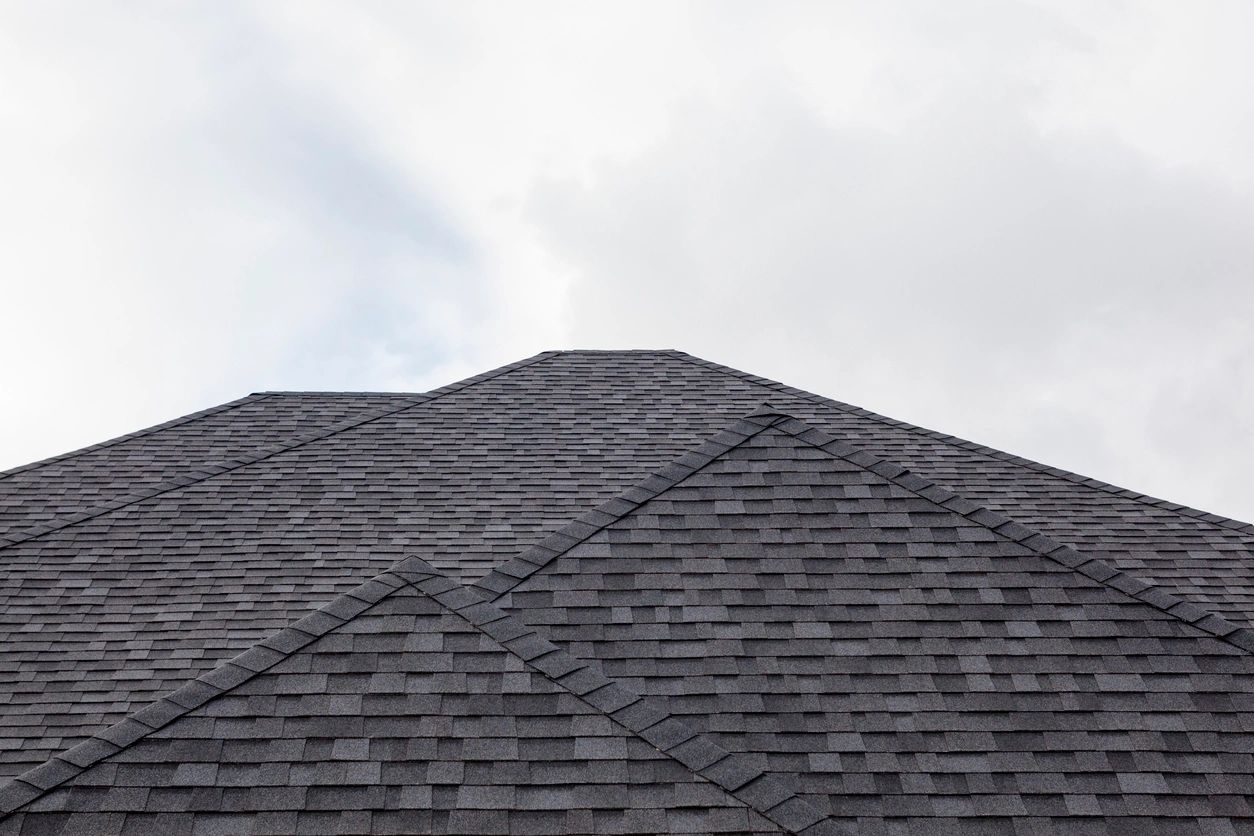
Weather-related damage tops our list of roof concerns. Hail creates distinct circular bruises or dents on shingles, whilst high winds tear off or lift shingle tabs. Ice dams form when melting snow refreezes at roof edges, forcing water under our shingles.
Structural issues manifest as sagging areas or uneven roof planes. These problems indicate underlying deck damage or compromised support structures that require professional assessment. We should never ignore these warning signs, as they pose safety risks.
Water damage appears through:
- Ceiling stains or discolouration
- Moisture in our attic or insulation
- Rotting or soft spots on roof decking
- Peeling paint near rooflines
Flashing damage around chimneys, vents, and valleys creates vulnerable entry points for water. Damaged or missing flashing ranks among the most common sources of roof leaks we encounter.
The Importance of Roof Inspections
We recommend scheduling professional roof inspections annually to maintain our roof’s health. Trained inspectors identify issues we might miss from ground level, including subtle damage that leads to major problems if left unaddressed.
Regular inspections allow us to document our roof’s condition for insurance purposes. This documentation proves valuable when filing claims for storm damage or planning for roof rejuvenation services. Professional inspectors assess not just visible damage but also ventilation, insulation, and overall structural integrity.
Between professional visits, we should conduct our own visual checks after severe weather events. From the ground, we can spot obvious issues like missing shingles or debris accumulation. However, walking on our roof without proper training risks both personal injury and additional roof damage.
Early detection through consistent inspections extends our roof’s lifespan and prevents minor issues from becoming expensive replacements. We save money by addressing small repairs promptly rather than waiting until damage spreads throughout our roofing system.
Solutions for Shingle Repairs, Roof Rejuvenation, and Roof Repair
Addressing roof damage requires understanding the available repair methods, from targeted shingle fixes to full rejuvenation treatments. It is best to use professional techniques that extend the roof’s lifespan and protect your investment.
Professional Roof Repair Methods
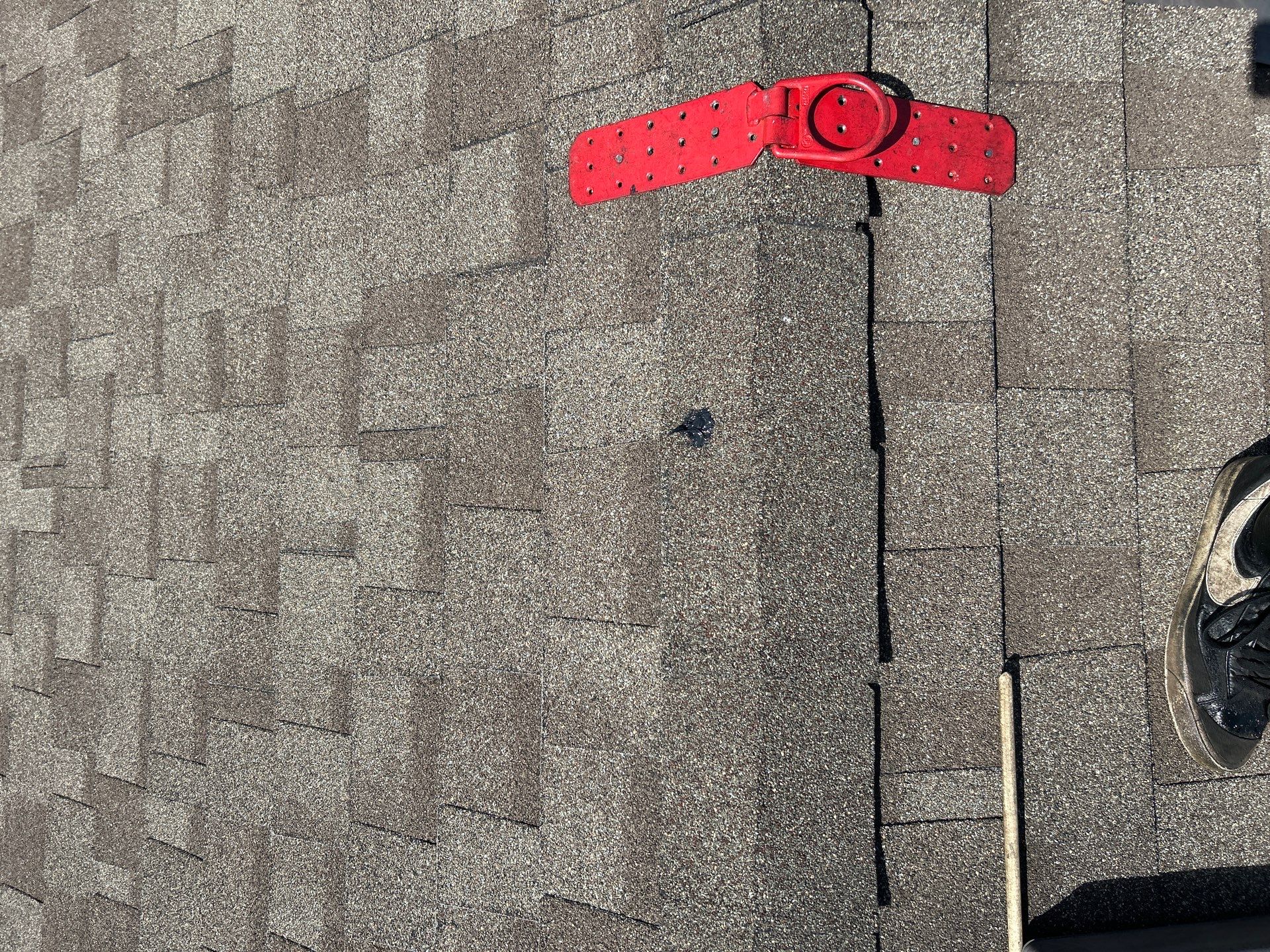
Professional roof repair encompasses several approaches depending on the extent of damage. For isolated issues, we replace individual damaged shingles by carefully removing the compromised pieces and installing new ones that match the existing roof.
More extensive damage requires patch repairs where we address multiple shingle problems in concentrated areas. This involves removing damaged sections, inspecting the underlying decking for rot or deterioration, and installing new materials with proper sealing techniques.
Common repair methods include:
- Single shingle replacement for isolated damage
- Flashing repairs around chimneys and vents
- Decking repairs when water has penetrated beneath shingles
- Valley repairs where two roof planes meet
- Ridge cap replacement for worn peak sections
We assess the roof’s overall condition before recommending repairs. A roof with widespread granule loss or extensive curling may not be suitable for spot repairs alone.
Roof Rejuvenation Benefits
Roof rejuvenation applies specialized bio-oil formulations to restore flexibility and durability to aging asphalt shingles. The treatment penetrates each shingle layer to replace oils lost through weathering and UV exposure.
This process increases granular adhesion, keeping protective granules in place rather than washing into gutters. The restored flexibility helps shingles resist cracking and breaking during temperature fluctuations and severe weather events.
Rejuvenation extends roof lifespan by 5 to 15 years at a fraction of replacement costs. The treatment works best on roofs showing moderate aging but not yet experiencing severe deterioration.
Key advantages include:
- Delay of costly roof replacement
- Restoration of shingle flexibility
- Enhanced weather resistance
- Reduced environmental impact compared to full replacement
Not all roofs qualify for rejuvenation. Shingles with significant curling, advanced granule loss, or structural damage may require traditional repair or replacement instead.
Expert Shingle Repair Techniques
Expert shingle repairs demand proper tools, materials, and techniques to ensure lasting results. We begin by carefully lifting surrounding shingles without causing additional damage, then remove damaged pieces by extracting nails with a flat bar.
New shingles must match the existing roof in colour, style, and thickness. We secure replacements with roofing nails placed in the proper nail zone, then seal edges with roofing cement to prevent water infiltration and wind uplift.
Temperature matters during repairs. We perform shingle work during moderate weather when materials remain pliable and adhesive strips activate properly. Cold temperatures make shingles brittle and difficult to work with safely.
Critical repair steps:
- Lift overlapping shingles carefully
- Remove damaged shingle nails completely
- Slide new shingle into position
- Secure with appropriate nail placement
- Seal all edges and nail heads
Small cracks receive roofing cement application, while curled edges get resealed to the roof deck. These preventive measures stop minor issues from escalating into major problems. If anything looks off—or if you just want peace of mind—OK Roof Revival can take it from there. Their team knows exactly what to look for and can spot damage most homeowners miss.
Frequently Asked Questions
Homeowners often need clear guidance on recognizing damage, scheduling inspections, understanding repair methods, and determining when replacement becomes necessary. Weather impacts, material lifespans, and cost considerations all play crucial roles in maintaining a functional roof.
What Are the Signs That Indicate a Roof Requires Immediate Repair or Rejuvenation?
Missing or curling shingles are among the most visible indicators that your roof needs attention. We often see shingles that have lost granules, exposing the asphalt layer beneath, which accelerates deterioration.
Water stains on interior ceilings or walls signal active leaks that require prompt action. Sagging areas on the roof surface indicate structural issues that demand immediate professional assessment.
Damaged or missing flashing around chimneys, vents, and roof valleys allows water infiltration. We also look for daylight visible through roof boards in the attic, which confirms compromised roof integrity.
How Often Should a Roof Inspection Be Conducted to Maintain Structural Integrity?
We recommend scheduling professional roof inspections twice annually, ideally in spring and autumn. These seasonal checks allow us to identify damage from winter weather and prepare the roof for upcoming harsh conditions.
Additional inspections become necessary after severe weather events, including hailstorms, high winds, or heavy snowfall. Even if no visible damage appears from ground level, hidden issues may exist that only trained professionals can detect.
Roofs approaching 15 years of age benefit from more frequent inspections to monitor accelerated wear patterns. Early detection of minor issues prevents costly emergency repairs and extends the roof’s functional lifespan.
Can Severe Weather Conditions Lead to the Need for Roof Repairs, and How Can Damage Be Mitigated?
High winds exceeding 80 kilometres per hour can lift and tear shingles, particularly on older roofs with weakened adhesive seals. Hail impacts create bruising, fractures, and granule loss that compromise shingle effectiveness.
We recommend installing impact-resistant shingles rated for severe weather zones to reduce damage risk. Proper attic ventilation prevents ice dam formation during winter, which can force water beneath shingles and into the home.
Regular maintenance, including securing loose shingles and replacing damaged flashing, strengthens the roof’s resistance to weather events. Trimming overhanging tree branches eliminates the risk of impact damage during storms.
What Is the Typical Lifespan of a Shingle Roof, and What Factors Contribute to Its Deterioration?
Standard three-tab asphalt shingles typically last 15 to 20 years under normal conditions. Architectural or dimensional shingles offer increased durability, with lifespans ranging from 25 to 30 years.
Climate significantly affects shingle longevity. Roofs in areas with intense sun exposure, extreme temperature fluctuations, or frequent severe weather deteriorate faster than those in moderate climates.
Poor attic ventilation traps heat and moisture, accelerating shingle aging from beneath. Installation quality also plays a crucial role, as improper nailing patterns or inadequate underlayment reduce the roof’s effective lifespan regardless of material quality.
When Is a Full Roof Replacement More Cost-effective than Individual Shingle Repairs?
We recommend full replacement when damage affects more than 30 percent of the roof surface. At this threshold, the cumulative cost of repairs approaches replacement expenses while providing only temporary solutions.
Roofs approaching or exceeding their expected lifespan benefit more from replacement than repeated repairs. Continuous leak issues despite multiple repair attempts indicate systemic failure requiring complete roof renewal.
If the underlying roof deck shows signs of rot, sagging, or widespread water damage, replacement becomes necessary to address structural concerns. Matching shingles for repairs on discontinued product lines may prove impossible, making cohesive replacement the practical choice.