
A house can look solid from the street while subtle problems develop overhead. Changes along the surface often begin quietly, long before leaks appear inside. Learning to spot the early signs of curled shingles can help property owners act before small issues grow into expensive repairs.
Edges Lifting and Curling Across the Roof Surface
Edges that lift slightly along the surface are often the first visible clue. Instead of sitting flush, the material begins to pull upward, especially along rows exposed to direct sun and steady wind. This movement allows moisture to creep beneath layers that were meant to overlap tightly. Once air flows underneath, it weakens adhesion and makes lifting more noticeable over time. A trained eye can detect this change early and assess whether the roof needs professional attention before deeper damage sets in.
What looks minor from the ground can signal wear beneath the surface. Raised edges create small gaps where rain can settle or blow inward. As water finds these openings, the structure beneath may begin to deteriorate. Acting early reduces the risk of long-term damage and protects the integrity of the shingles before full replacement becomes necessary.
Shingles Bending up Instead of Lying Flat
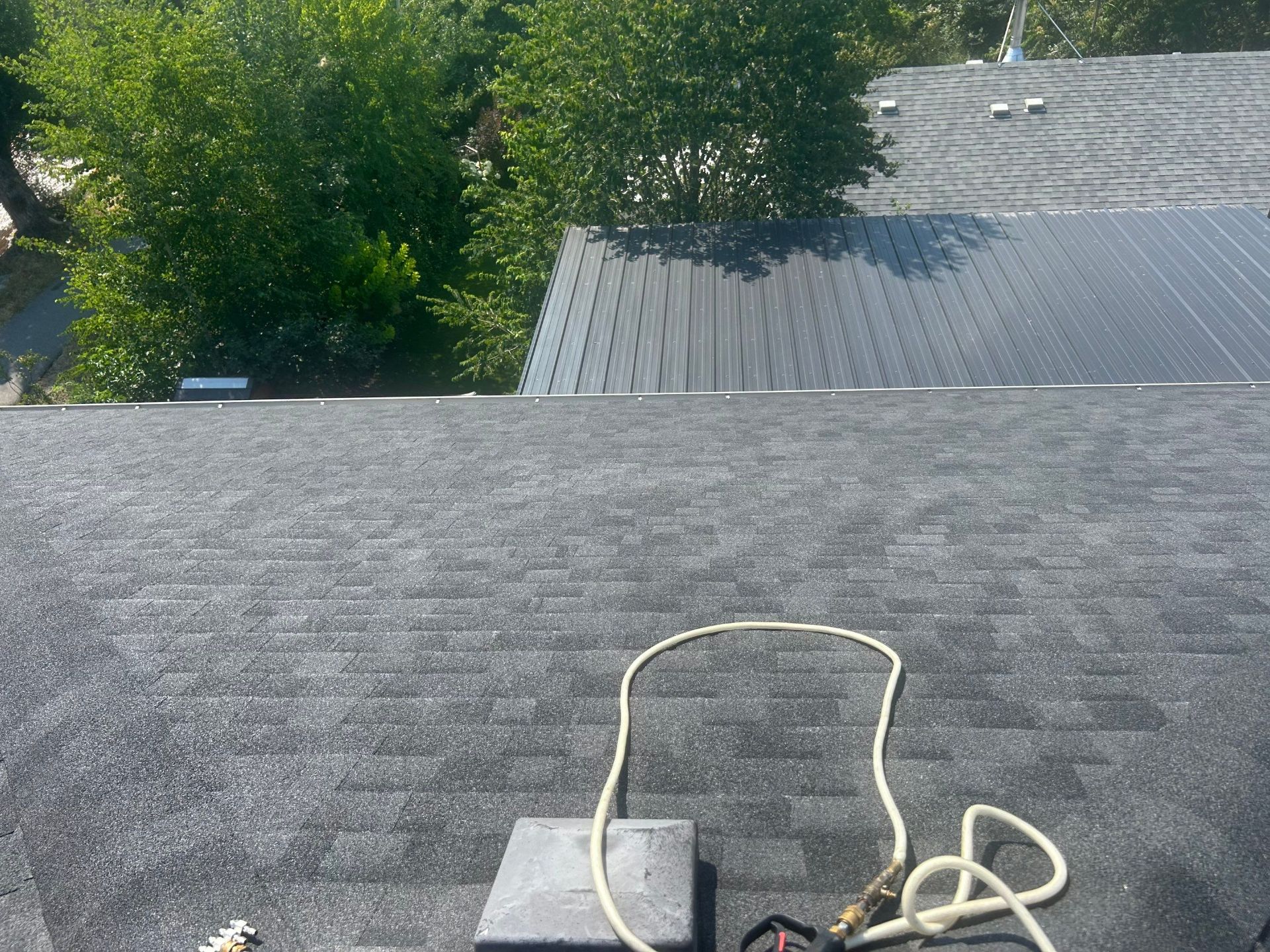
Healthy shingles lie flat and align neatly across the roof. When they begin bending upward in the middle, it often points to aging materials or trapped moisture. This bending changes how water flows during storms, increasing the chance that runoff will pool instead of draining cleanly. Uneven surfaces also allow debris to collect, which adds extra weight and stress.
This bending effect can spread gradually across multiple rows. Once the pattern begins, wind pressure intensifies the lift and speeds up deterioration. Left unchecked, bent sections compromise the protective layer that shields the home. Timely inspection prevents that progression and keeps minor roof damage from escalating into structural trouble.
Corners Starting to Turn and Catch the Wind
Corners that curl upward may appear harmless at first glance. In reality, these small lifted tips act like sails during strong gusts. As wind catches the raised corners, it pulls harder with each storm. The repeated strain weakens the fasteners that hold each shingle in place.
Over time, lifted corners can tear free completely. Once one piece detaches, surrounding sections become vulnerable as well. Wind-driven rain easily penetrates these exposed spots, increasing the risk of interior damage. Catching curled corners early can prevent a chain reaction that affects larger portions of the roof.
Granules Wearing off Around Curled Areas
Granules serve an important role by protecting shingles from ultraviolet exposure and weather impact. Around curled sections, those protective granules often loosen and fall away first. Bare patches may appear darker or smoother compared to surrounding areas.
Loss of granules accelerates aging because the underlying material faces direct sunlight. Heat absorption increases, which can cause additional curling and shorten the lifespan of the roof. Monitoring these worn spots helps identify areas that require restoration before widespread damage occurs.
Shingles Cracking near the Raised Edges
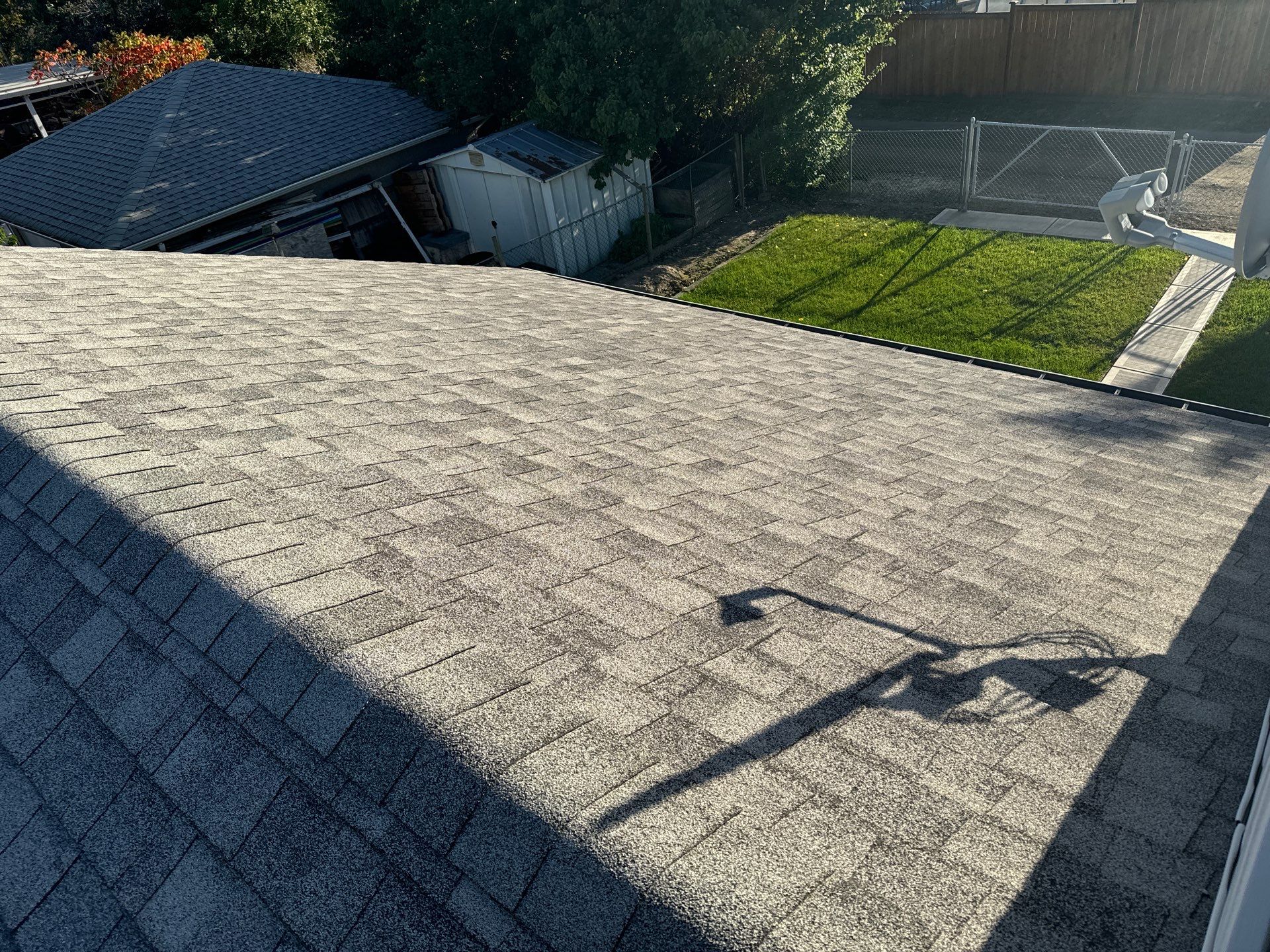
Cracks frequently form where material bends repeatedly. Raised edges experience constant movement from temperature shifts and wind. This repeated stress creates small fractures that expand over time.
Those cracks allow moisture to seep deeper into the layers beneath. Once water infiltrates, it can compromise insulation and decking. Addressing cracked shingles promptly reduces the chance of internal damage and prevents more extensive repair work later.
Dark Spots Forming Where Water Sits Longer
Dark discoloration often appears in spots where water collects near lifted sections. Pooled moisture encourages staining and may promote organic growth. These darker patches stand out against the rest of the roof surface.
Persistent moisture can weaken surrounding shingles and create uneven wear patterns. As water lingers, it increases the likelihood of structural damage. Recognizing these dark spots as warning signs allows homeowners to intervene before the issue spreads.
Sections Looking Older than the Rest of the Roof
Sometimes one area ages faster than others. Exposure to direct sunlight, shade imbalance, or drainage problems can cause certain sections to curl sooner. These areas may appear faded, warped, or uneven compared to the rest.
A patch that looks noticeably older often signals underlying stress. Uneven aging compromises the roof’s uniform protection and may lead to early failure in that section. Regular professional evaluations help determine whether rejuvenation can restore flexibility and extend performance.
Loose Tabs Flapping During Windy Days
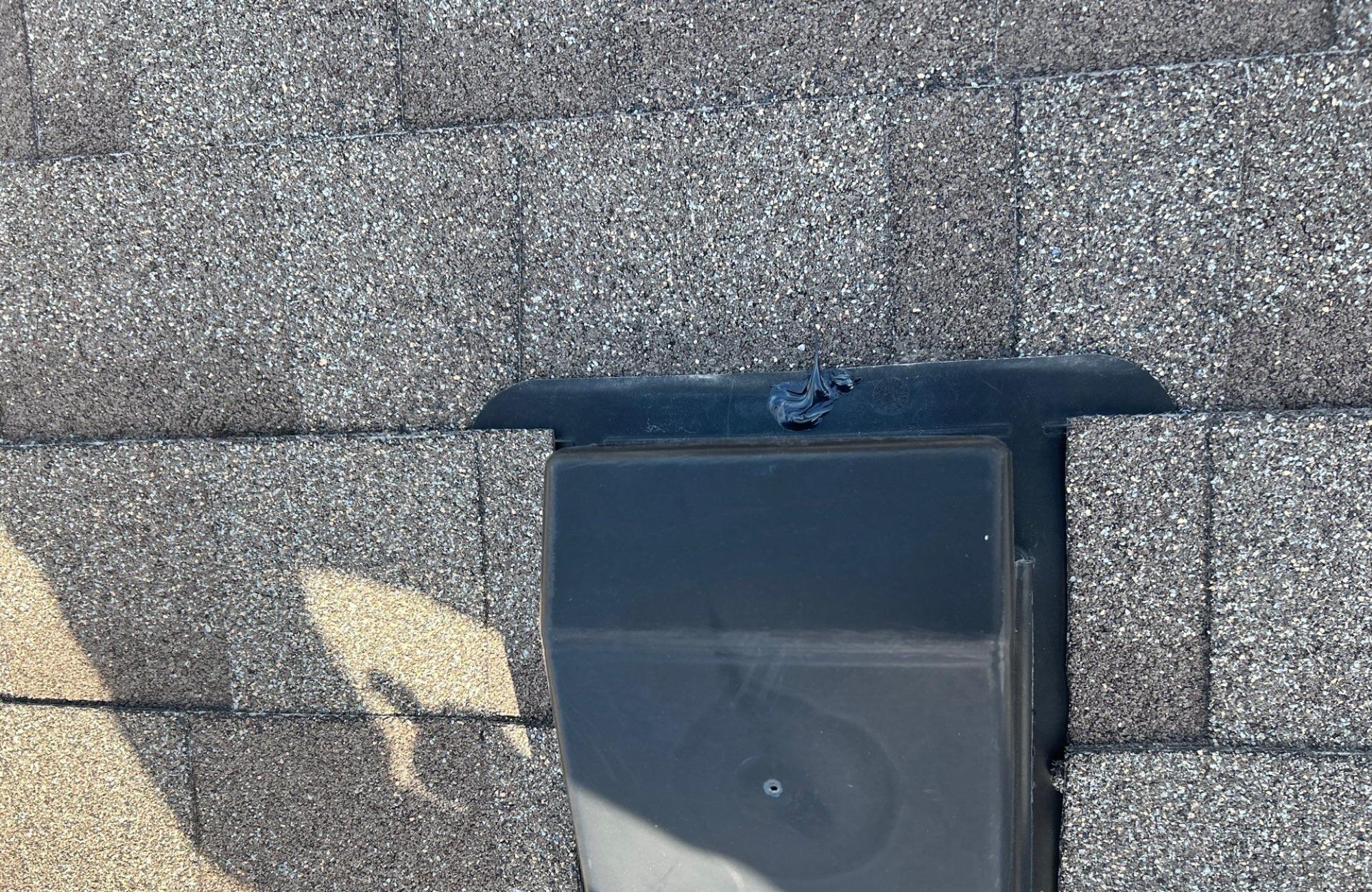
During windy weather, loose tabs rarely stay subtle. They lift, snap, and flutter against the surface, creating movement that should not be there. That motion usually means the adhesive bond has weakened or fasteners have loosened over time. Each gust pulls at the edge a little more, stressing the surrounding shingles and widening the gap beneath. What begins as light movement can quickly turn into partial separation, especially during strong seasonal storms. The constant lifting also allows air to push underneath, increasing the chance of moisture intrusion during rain events.
Repeated flapping does more than create noise; it accelerates wear across the affected area. The lifted tab rubs against neighboring pieces, grinding away protective granules and exposing vulnerable layers beneath. As the cycle continues, cracks may form along the stressed edge, and small tears can develop that invite deeper damage. If left unattended, one loose section often leads to others, weakening the overall stability of the roof. Addressing loose tabs early helps prevent widespread shingle failure and preserves the structural integrity of the entire roofing system.
Restore Strength and Extend the Life of Your Roof with OK Roof Revival
Curled shingles do not automatically mean full replacement. In many cases, professional rejuvenation can restore flexibility, improve appearance, and reinforce protection. OK Roof Revival specializes in revitalizing aging surfaces before minor wear turns into major damage. Our process focuses on strengthening existing shingles and extending service life through careful treatment.
Protecting your home starts with proactive care. Contact us today to schedule a detailed evaluation and learn how restoration can renew your roof’s performance. Acting now can save time, money, and stress while keeping your property secure for years to come.