
A roof rarely announces trouble with a dramatic warning. Issues usually start quietly—an edge lifting here, a seam shifting there—and only become noticeable after they’ve grown into expensive repairs. A detailed roof inspection report gives homeowners a way to spot these early signs long before they cause damage inside the home or weaken the structure supporting it.
Spotting Small Leaks Before They Turn into Big Damage
Small leaks often hide in places that never catch the eye at first glance. They may appear around nail holes, tiny cracks in shingles, or seams that expanded after a hot season. An inspector looks for discoloration, soft spots, or faint staining that signals water has started finding its way inside. This early stage is the best moment to act, because moisture hasn’t yet had time to travel, pool, or spread deeper into the roof system.
Once a leak expands, the damage rarely stays contained. Water can seep into insulation, drywall, and wooden framing and begin weakening the home from the inside out. Repairing structural water damage costs far more than a patched leak on the surface. A single small leak caught early can save a homeowner thousands of dollars, which is why a roof inspection report becomes essential rather than optional.
Finding Loose or Missing Shingles Early on
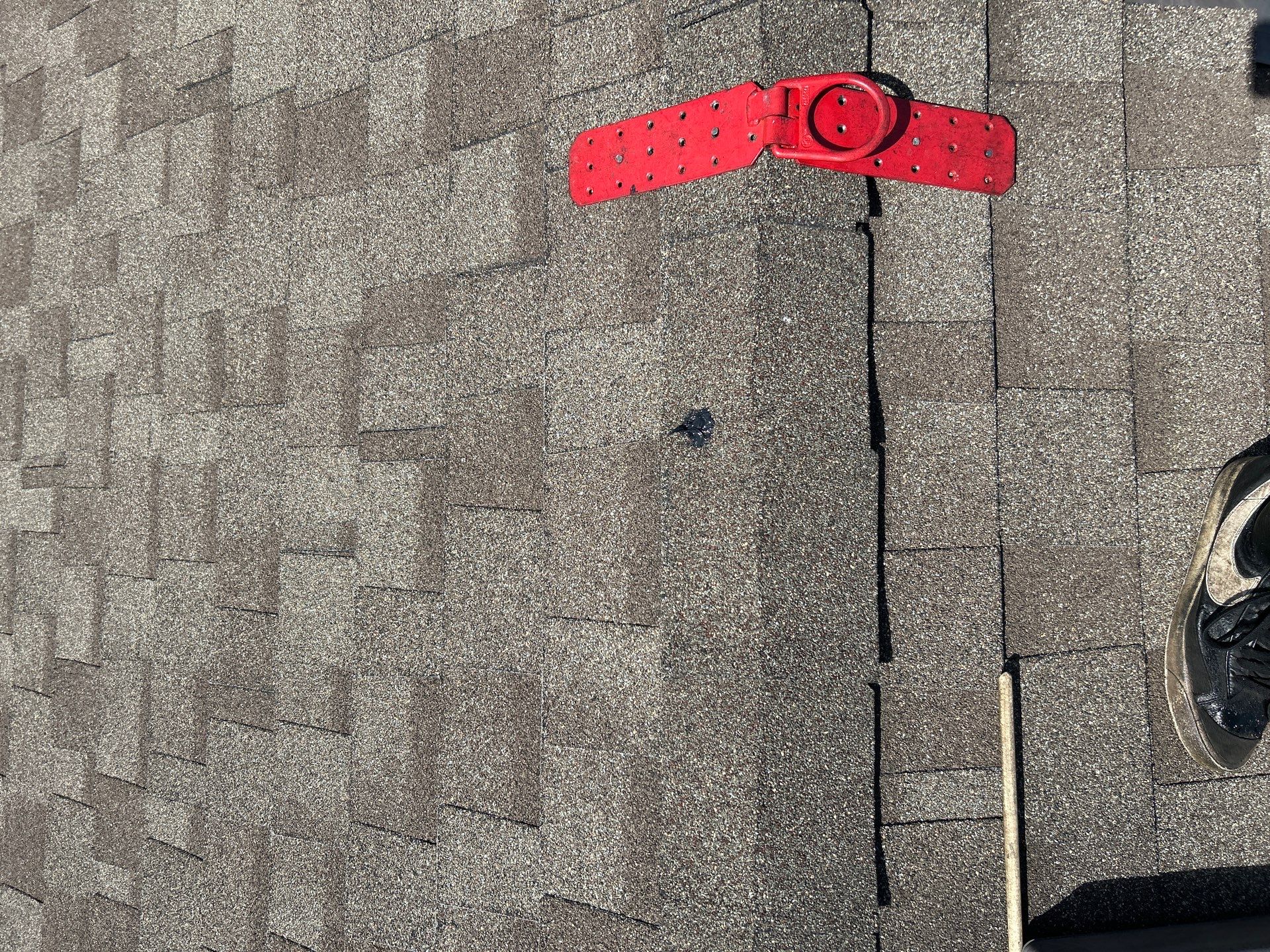
Wind, heat, and age slowly break down shingles until they loosen or detach. Homeowners may not notice when one or two go missing, especially on upper slopes or the back side of the roof. A report highlights these gaps quickly, giving homeowners the chance to repair them before rain intrusion becomes a real threat.
Loose shingles also reveal how well a roof is holding up against the weather. Even if water hasn’t made its way inside yet, a lifted shingle exposes the underlayment and reduces the roof’s ability to shield the home. Addressing these issues promptly helps extend roof life and protects the home’s interior from sudden damage during heavy storms.
Detecting Flashing Issues Around Chimneys and Vents
Flashing plays a vital role in keeping water from creeping into vulnerable areas, especially around chimneys, vents, skylights, and wall transitions. Inspectors examine flashing for cracks, rust, and improper sealing that may allow water to slip underneath. Many flashing issues remain invisible from the ground, making professional assessment essential.
Once flashing begins to pull away or deteriorate, water enters quickly and quietly. Because these areas channel moisture into the roof cavity, leaks caused by flashing failures often spread faster than other types. Catching flashing issues early ensures the structural layers beneath stay dry and intact.
Noticing Moisture Buildup Under Roof Edges
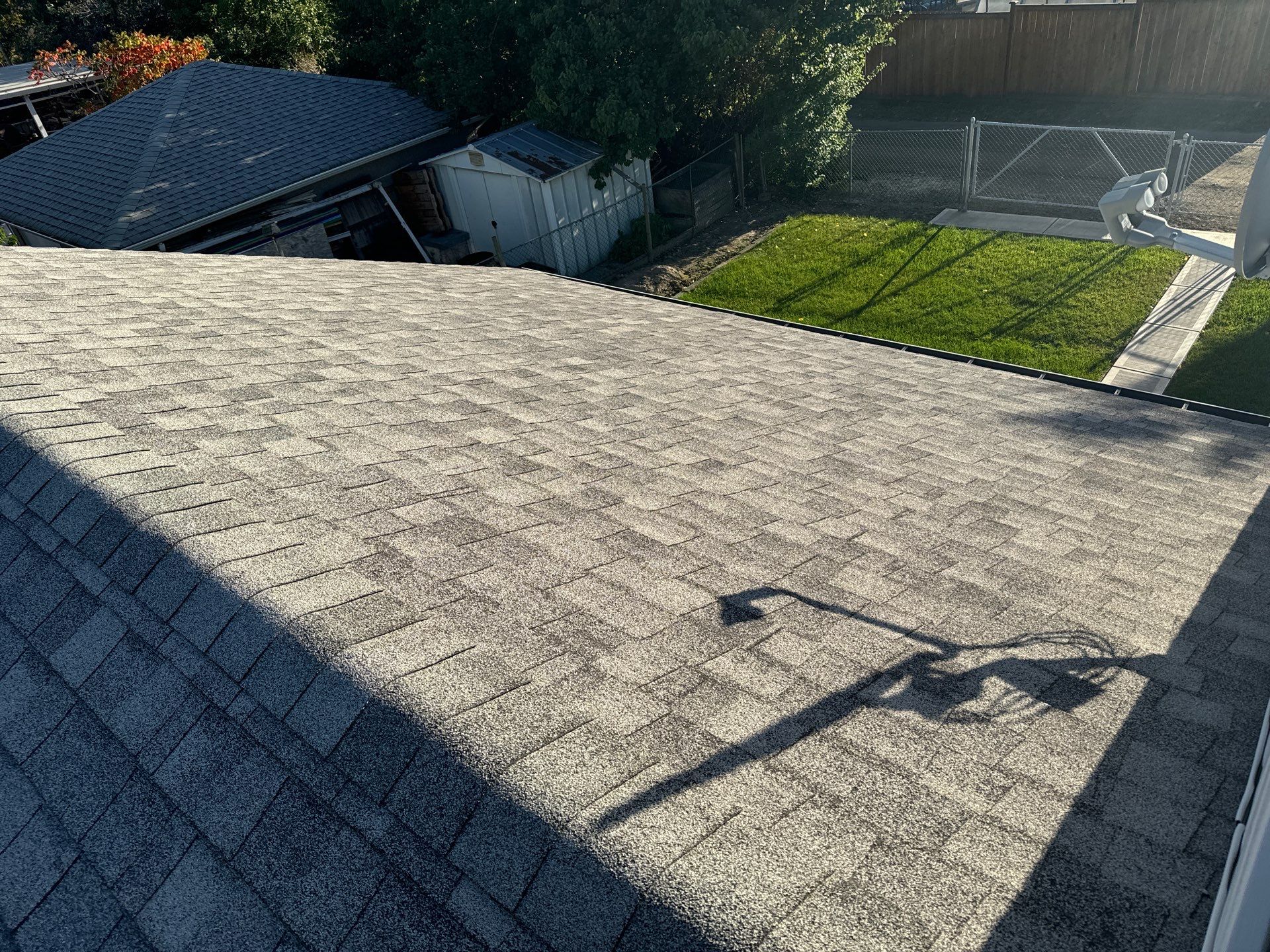
Moisture buildup under roof edges is a sign that water isn’t draining the way it should. Inspectors look for swelling along fascia boards, soft deck edges, or stained underside panels that hint at water lingering where it doesn’t belong. This early sign warns of larger drainage or ventilation issues.
If ignored, moisture at roof edges can create rot, weaken gutter attachments, and cause ice dam formation in colder climates. The longer moisture sits, the more damage it causes. Identifying edge moisture early helps maintain solid roof framing and prevents long-term structural repairs.
Identifying Weak Spots from Aging Materials
As roofing materials age, they become more brittle, less flexible, and more vulnerable to cracking. An inspection report identifies these aging zones before they turn into active failure points. Roofing granules may shed more heavily, surfaces may begin curling, or soft areas may appear under pressure.
Weak spots reveal where the roof is losing its protective strength. Addressing them early helps extend the life of the entire system rather than replacing sections after they have deteriorated too much to salvage. Understanding where the roof is aging allows homeowners to plan repairs instead of being caught off guard.
Highlighting Potential Hail or Storm Impact Marks
Hail damage doesn’t always look dramatic. In many cases, impact marks appear as dark circles, minor indentations, or barely noticeable bruises in shingle layers. A roof inspection report documents these subtle signs so homeowners can treat them before granules wear off and UV exposure worsens the damage.
Storm impacts reduce the shingle’s ability to repel water. Over time, those marks become weak entry points for moisture and heat penetration. Early detection helps homeowners file insurance claims when needed and reinforce vulnerable areas before the next major storm arrives.
Catching Early Signs of Mold or Rot Growth
Mold and rot develop quietly in damp areas hidden beneath the outer roofing surface. Inspectors watch for discoloration, musty odors, or subtle decay patterns that indicate moisture has stayed too long. These early signs rarely appear inside the home until the damage has already spread widely.
By catching mold or rot early, homeowners avoid roof repairs that involve tearing out sections of decking or interior drywall. Moisture-related decay spreads quickly, so awareness at this early stage protects both the home’s air quality and structural integrity.
Assessing Attic Ventilation Problems Before Damage
Ventilation issues often show up as heat pockets, condensation, or unusual temperature shifts in the attic. A roofing report pinpoints these airflow disruptions before they cause warping, mold growth, or shingle degradation. Ventilation problems often hide beneath the surface and require trained eyes to diagnose properly.
Poor airflow shortens the lifespan of roofing materials and increases energy costs. Identifying ventilation issues early allows homeowners to correct airflow patterns, protect insulation, and prevent moisture accumulation that can lead to rot or mold. Small ventilation adjustments often produce major long-term benefits.
Why Homeowners Trust Ok Roof Revival to Extend Roof Life and Restore its Performance
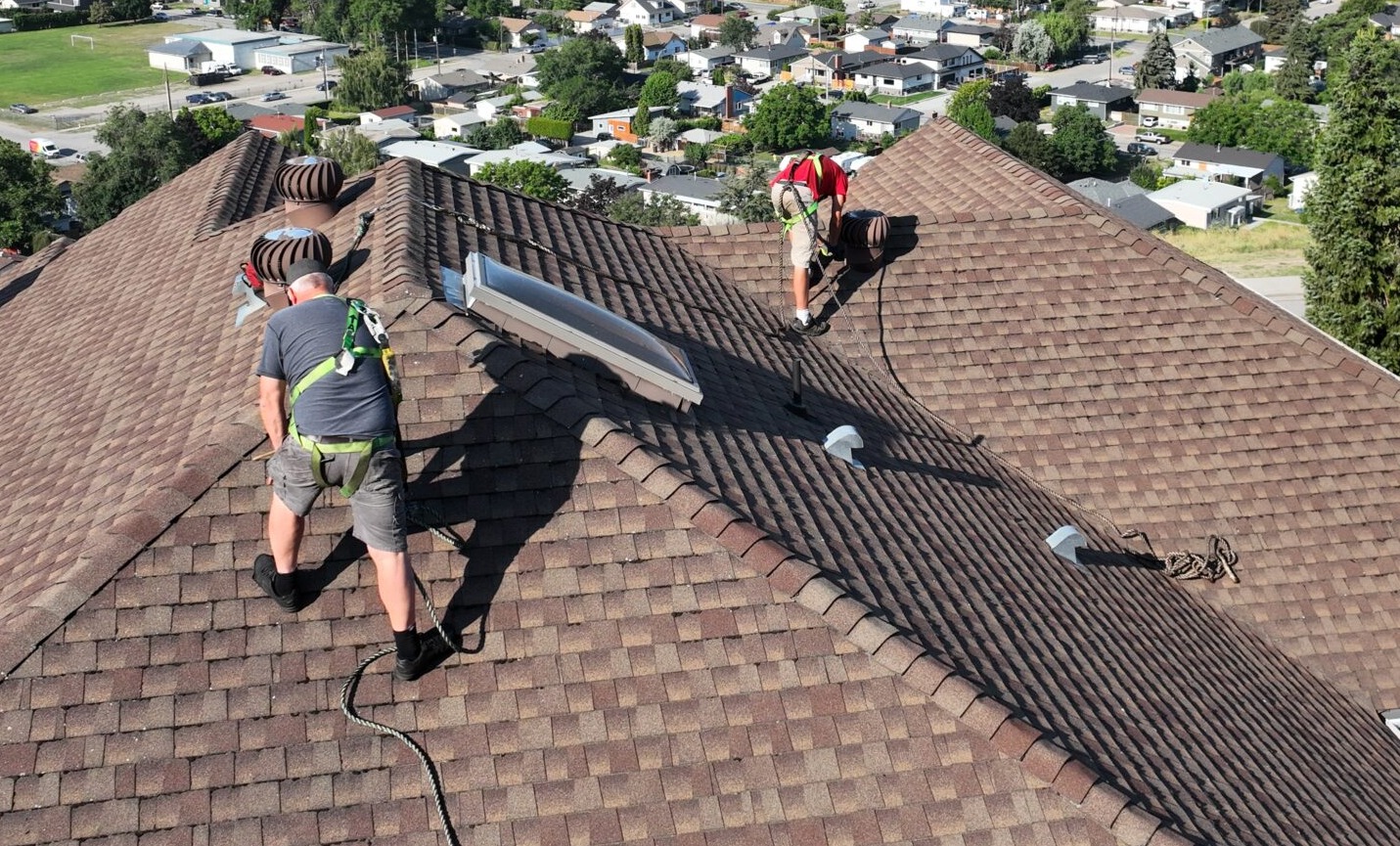
Keeping a roof strong requires more than quick fixes—it requires consistent care and a team that understands how aging shingles, small leaks, and hidden weak spots develop over time. Ok Roof Revival specializes in restoring older roofs, strengthening worn surfaces, and extending roof life through rejuvenation methods that help homeowners avoid early replacements. Our approach focuses on preserving materials, improving flexibility, and adding long-term protection that shields the home from weather and wear.
Homeowners looking to protect their investment appreciate a service that works with the existing roof rather than immediately recommending a costly replacement. With roof rejuvenation options, detailed assessments, and skilled technicians, Ok Roof Revival gives homeowners peace of mind and reliable results. Contact us to schedule your roof rejuvenation and keep your home protected year-round.