
Most homeowners don’t spot roof damage until it becomes impossible to ignore—a stain on the ceiling, a drip during a storm, or shingles scattered across the yard. But the earliest signs start small. Knowing what to watch for helps you catch problems before repairs turn expensive. A roof quietly shows its age long before a leak appears, and paying attention to subtle changes can save you from major issues down the road.
Learn More on When It’s Time for Shingle Rejuvenation.
Shingles Missing or Lifting After Wind or Rain Events
When strong winds hit, shingles can loosen or lift before they fully detach. These lifted edges create openings where water can slide underneath and seep into the roof deck. Even if the shingles settle back down, the seal is often already broken. Once that seal fails, more shingles become vulnerable during the next storm, creating a cycle of damage you might not notice from the ground.
Missing shingles are a more obvious sign, but many homeowners don’t check their roof after mild storms. Open patches expose the underlayment and make it easier for moisture to creep in. If left unaddressed, the exposed areas can deteriorate quickly, leading to leaks or weakened sections that cost far more to fix later.
Dark Streaks or Stains Showing Moisture Buildup
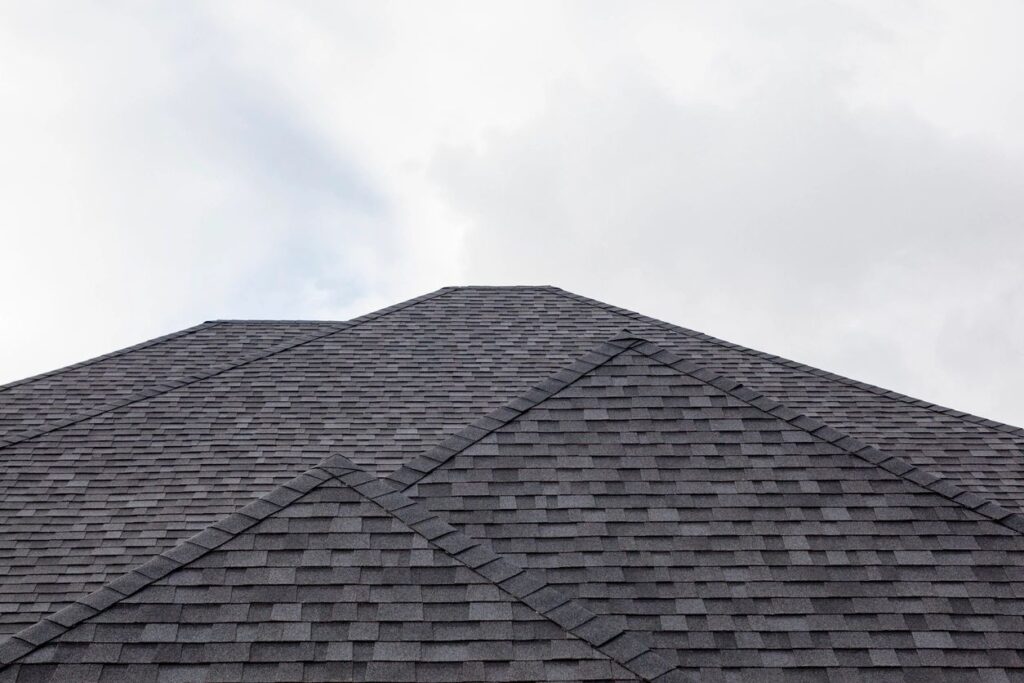
Dark streaks often develop slowly, making them easy to overlook. While some streaks come from algae, others signal trapped moisture inside the shingles. That moisture weakens the material over time and causes the roof to age faster than expected. These streaks may look cosmetic, but they often reflect bigger issues beneath the surface.
Stains that appear in clusters or follow the slope of the roof indicate prolonged exposure to dampness. This trapped moisture invites mold, reduces shingle strength, and can eventually seep into your attic. Early treatment stops the damage where it starts and prevents expensive structural repairs later.
Granules Collecting in Gutters After Normal Weather
As shingles age, their protective granules start shedding. A few granules in the gutters are normal, especially after installation, but steady accumulation is a red flag. Those granules shield the shingles from UV rays and heat. Once they wear off, the shingles become brittle and break down faster.
Granule loss also makes the roof more vulnerable to cracking during temperature swings. When gutters fill with granules after regular weather—not just heavy storms—it often means the shingles are nearing the end of their lifespan. Catching this early gives you time to plan maintenance before the roof becomes compromised.
Visible Cracks or Splits in Shingle Surfaces
Cracks usually appear when shingles lose their flexibility. Sun exposure, temperature changes, and natural aging cause the material to stiffen. Once shingles can’t expand and contract with the weather, they begin to split. These cracks may not leak right away, but they create open paths for water to travel.
Splits often grow with each season, especially during freeze-thaw cycles. The cracks widen, moisture enters, and the roof structure underneath begins to weaken. Regular inspections help spot these early signs before they evolve into wide gaps or missing pieces that allow leaks to form.

Sagging Roof Sections Indicating Structural Stress
A sagging roof is one of the clearest signs that something inside the structure is failing. This often happens when moisture has been sitting in the roof deck long enough to weaken the wood. Even a small sag suggests water damage, heavy snow load stress, or compromised support beams.
Because sagging affects the structural integrity of the home, it needs immediate attention. Ignoring a dip in the roofline can lead to collapse in severe cases. Early detection helps prevent bigger repairs and protects the home’s value long-term.
Flashing Around Chimneys or Vents Pulling Away
Flashing is designed to seal roof joints and prevent water from entering vulnerable areas. When it begins to pull away or develop gaps, water has a direct channel into the roof. This often happens due to weather changes, old caulking, or shifting materials.
Damaged flashing can leak even during light rain. Because flashing issues often stay hidden until significant damage occurs, checking these areas regularly helps prevent deterioration inside walls or around chimneys and vents. A small repair now avoids major interior restoration later.
Leaks Appearing Inside Ceilings During Light Rain
A leak that appears during light rain is a major warning sign. Light rain shouldn’t penetrate a healthy roof. If water drips or stains appear under gentle conditions, the roof likely has multiple weak points—not just a single damaged shingle. These leaks often start as tiny openings that worsen with each storm.
Even faint water marks on ceilings or walls signal that moisture found an entry point. Left alone, that moisture spreads through insulation and wood framing, increasing repair costs. Addressing leaks early also prevents mold growth inside the home.
Damaged or Worn Edge Caps on Roof Perimeters
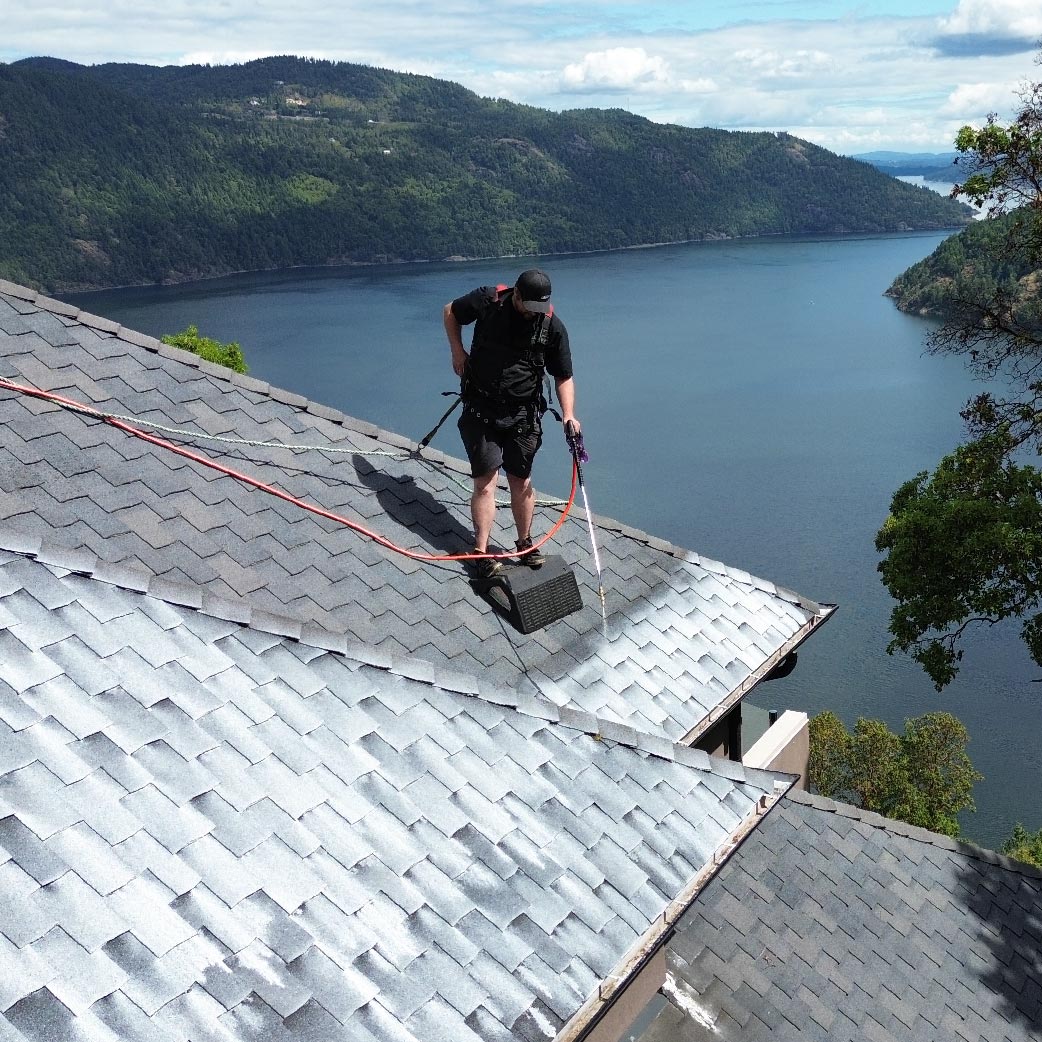
Edge caps shield the outermost shingles and help redirect water off the roof. When these caps crack, warp, or slide out of place, the edges of the roof become exposed. Wind can then lift the surrounding shingles and cause widespread damage with just one storm.
Worn edge caps also allow water to creep under the first row of shingles, leading to rot along the roofline. Checking the edges regularly helps catch damage before it spreads across larger sections of the roof.
Ok Roof Revival Helps Restore Roofs Before Damage Becomes Costly
Ok Roof Revival specializes in bringing aging roofs back to life before homeowners face full replacements. Our rejuvenation treatments extend the lifespan of shingles, restore flexibility, and strengthen protection against the elements. With experienced technicians and proven methods, we help homeowners avoid premature roof replacements and costly structural repairs.
If your roof is showing early signs of wear, taking action now prevents the problems from escalating. Ok Roof Revival can inspect, treat, and restore your shingles—saving you money and safeguarding your home. Contact us today to schedule a visit and protect your roof before minor issues turn major.
Frequently Asked Questions
What Services Does Ok Roof Revival Provide?
They offer roof rejuvenation treatments, leak detection, repair services, maintenance programs, soft washing, and full exterior inspections. Their rejuvenation process extends shingle life and strengthens roof performance without the need for a full replacement.
How Does Roof Rejuvenation Work?
The treatment restores lost oils in aging shingles, improving flexibility and sealing power. This helps shingles withstand wind, heat, and weather changes. It also slows further deterioration and revives the roof’s original performance for several years.
Is Roof Rejuvenation a Good Alternative to Replacement?
Yes—if the shingles are worn but still structurally sound. Many roofs qualify for rejuvenation even when they look aged on the surface. The process costs significantly less than replacement and adds years of life to the existing roof.
How Long Does Rejuvenation Last?
Most treatments add five additional years of life per application. The results vary depending on roof condition, climate, and maintenance habits, but rejuvenation offers a reliable extension for aging shingles.