
Tree branches swaying in the wind or brushing against your roof may seem harmless, but over time, they can cause significant damage. While it’s common for branches to touch or even scrape the shingles, the effect can be more than just cosmetic. From weakening the structure of your roof to causing leaks, rubbing branches can shorten the life of your roof.
Branches Scraping Shingles Can Wear Away Protective Layers
When tree branches scrape against your shingles, they slowly wear away the protective granules that cover the surface. These granules are what help protect your roof from harsh weather, including UV rays and rain. With constant scraping, the granules can become dislodged, leaving the shingles exposed and vulnerable to the elements. This not only weakens the roof’s defenses but also makes it more susceptible to leaks and water damage.
The more frequently branches make contact with the roof, the faster this erosion process occurs. Over time, the shingles may lose their strength, leading to cracks and other forms of damage. The loss of granules may not be immediately visible, but it can significantly reduce the roof’s effectiveness in preventing weather-related issues. Regularly checking and trimming any branches near your roof can help maintain its protective layers and avoid these costly problems.
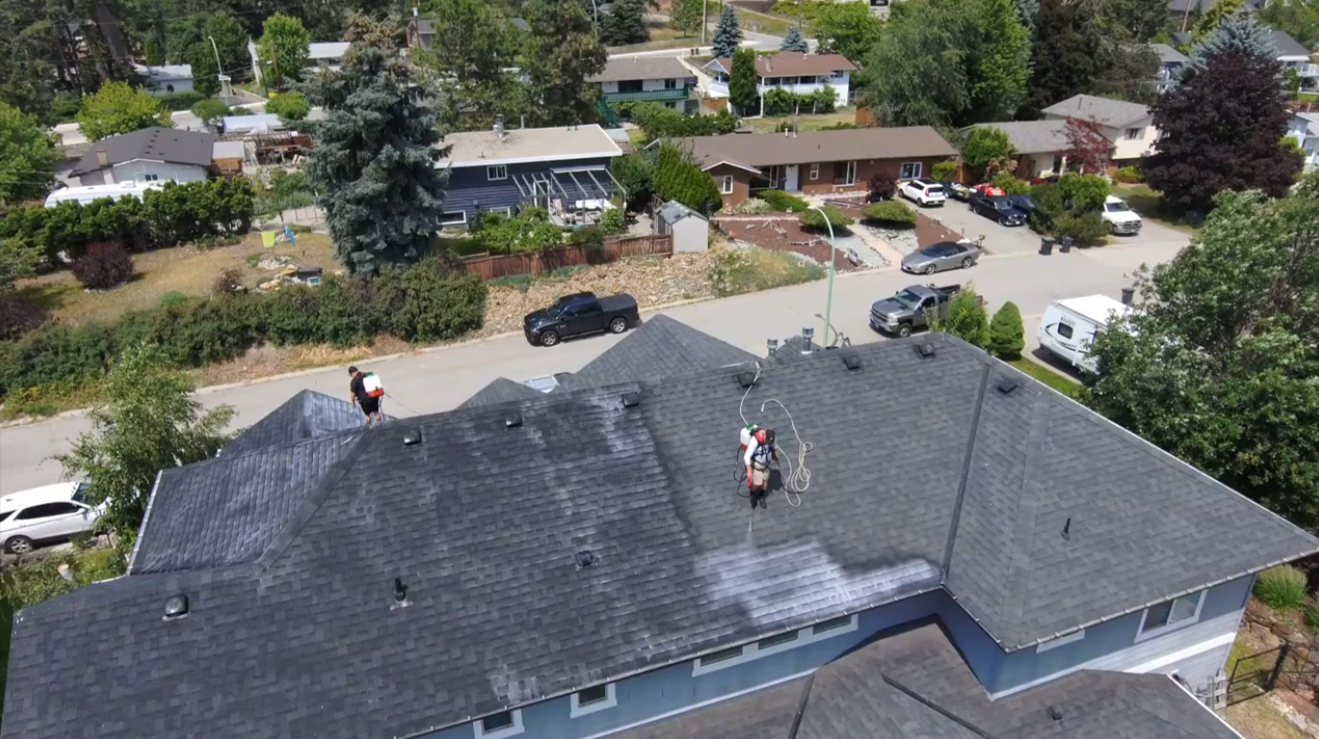
Constant Rubbing Can Loosen Shingles During Strong Winds
Branches rubbing against your roof don’t just cause surface damage—they can also affect the integrity of the shingles. Constant friction from branches can weaken the adhesive that holds the shingles in place. When strong winds roll in, the shingles may already be loosened or compromised, making them more likely to be torn off or blown away. This not only leads to missing shingles but can also create gaps in your roof that allow rainwater to seep in.
In areas prone to storms or high winds, this is a significant risk. Loosened shingles during a storm can cause serious damage, requiring expensive repairs or even a full roof replacement. Keeping branches trimmed and away from your roof can minimize the chances of this happening, ensuring your shingles stay secure, especially during inclement weather.
Tree Limbs Can Knock off Granules That Protect the Roof
Tree limbs, especially heavier ones, can knock off the granules that cover your roof. As branches rub against the shingles, they can dislodge the granules, causing them to fall off and gather in your gutters or on the ground. These granules are essential for protecting the underlying asphalt or fiberglass from damage caused by UV rays, rain, and wind. Without them, your roof becomes more vulnerable to wear and tear, leading to premature aging.
The removal of these granules also accelerates the natural deterioration of the shingles. Without the protective coating, the shingles become brittle and more likely to crack or break under stress. Over time, this can cause significant issues with your roof’s overall integrity. Ensuring that tree limbs are not constantly in contact with your roof can help preserve the granules and extend the life of your roof.
Branch Impact Can Crack Shingles Over Time
Branches that fall or repeatedly brush against your roof can cause physical damage to the shingles themselves. While shingles are designed to be durable, the constant impact from tree limbs can cause cracks or chips over time. These cracks may start out small but can grow larger if left untreated. The longer the branches continue to strike the roof, the more likely the shingles will sustain long-term damage.
Cracked shingles compromise the roof’s ability to keep out water, which can lead to leaks and water damage inside your home. In severe cases, branches can break off larger sections of the roof, leading to more significant damage and costly repairs. It’s important to inspect your roof regularly for signs of impact damage, especially if you have overhanging branches that may be causing these issues.
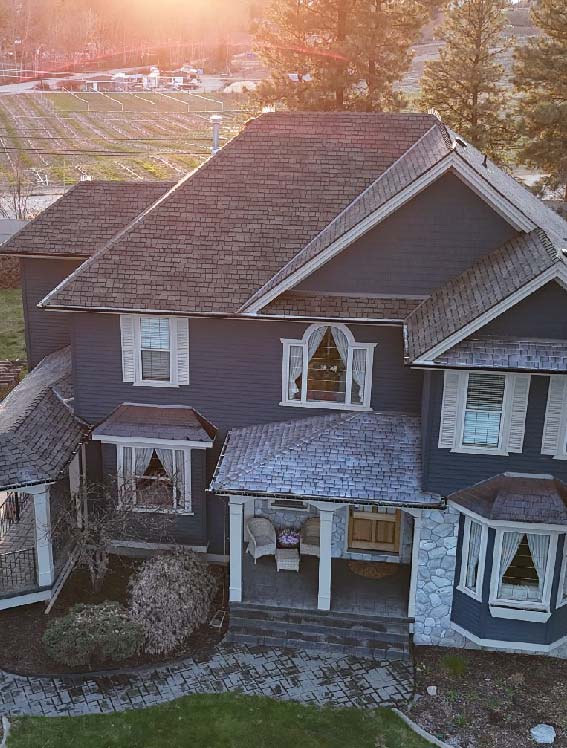
Scratches Can Expose Roof Materials to Sun Damage
Even minor scratches from branches rubbing against the roof can expose the underlying materials to the sun’s harmful UV rays. These scratches create weak spots in the shingles, allowing the sun to break down the materials underneath. Over time, this can cause the roof to become brittle, leading to cracks, leaks, and the need for repairs.
If the roof is exposed to prolonged sun damage, the lifespan of the shingles can be significantly shortened. Sun damage can also cause discoloration and fading, making your roof look old and worn out. By keeping branches trimmed and preventing them from rubbing against the shingles, you can reduce the risk of sun exposure and preserve your roof’s appearance and durability.
Falling Branches Can Cause Sudden and Serious Roof Damage
One of the most immediate threats to your roof from tree branches is the risk of falling limbs. Whether due to a storm, strong winds, or the natural aging of the tree, branches can come crashing down onto your roof without warning. A large branch hitting your roof can cause significant damage, puncturing the shingles and possibly the underlying structure.
Falling branches can also create hazards inside the home. The impact from a heavy branch can break through the roof and allow rainwater or debris to enter the house, causing water damage to ceilings, walls, and insulation. To prevent this, it’s crucial to regularly check the health of the trees around your home and remove any dead or unstable branches before they have a chance to fall.
Protect Your Roof with Expert Services from OK Roof Revival
At OK Roof Revival, we understand how important your roof is in protecting your home. If you’re dealing with the wear and tear caused by tree branches or simply want to ensure your roof is in top condition, our expert team can help. We specialize in roof rejuvenation and maintenance, offering services that address tree damage, prevent leaks, and extend the life of your roof. Don’t let tree branches cause unnecessary damage to your roof. Contact us today to schedule a consultation and let us help you protect your home for years to come.
FAQs:
1. How Can Tree Branches Damage My Roof over Time?
Tree branches can cause significant damage to your roof by scraping against shingles, loosening granules, and even causing cracks. Constant rubbing or falling branches can wear away the protective layers of your roof, leading to leaks, weakened structure, and even debris buildup. Regular maintenance, including tree trimming, can help prevent these issues and protect your roof’s integrity.
2. Can Ok Roof Revival Help with Roof Damage Caused by Overhanging Tree Branches?
Yes, at OK Roof Revival, we specialize in roof rejuvenation and can assess any damage caused by overhanging tree branches. Our experts will inspect your roof for signs of wear and tear, provide the necessary repairs, and offer preventive solutions like roof sealing to help protect it from future damage.
3. Is It Necessary to Trim Trees near My Roof to Prevent Damage?
Yes, trimming trees near your roof is essential to prevent branches from scraping against shingles or causing sudden damage during storms. Overhanging branches can create long-term damage, weakening your roof’s protective layers and structure. OK Roof Revival recommends regular tree trimming and roof inspections to maintain the health of your roof and avoid costly repairs.
4. How Do I Know If My Roof Has Been Damaged by Tree Branches?
Signs of tree branch damage include cracked or missing shingles, exposed roof materials, granule loss, and visible scratches. If you notice debris, fallen branches, or water leaks inside your home, it’s a good indication that your roof may have sustained damage. OK Roof Revival offers free roof inspections to help identify and repair any damage caused by tree branches before it becomes a bigger problem.