
Roof sealants often look solid and dependable at first glance, yet small changes over time can quietly weaken their hold. Heat, movement, and moisture all play a part in how long they actually last. Understanding where things go wrong helps property owners catch issues early and avoid bigger repairs.
Sealant Dries out and Starts to Crack Under Hot Sun
Direct sunlight can slowly strip moisture from sealant, leaving it stiff instead of flexible. Once that softness disappears, the material begins to shrink and pull tight against the surface. Tiny fractures show up first, then widen as the roof continues to heat up day after day.
Over time, those cracks stop being cosmetic and start becoming entry points for water. Heat cycles make the problem worse because expansion and contraction keep stressing the weakened areas. Sections that once looked sealed can turn into brittle lines that no longer protect anything beneath them.
It Pulls Away from Seams When the Roof Shifts Slightly
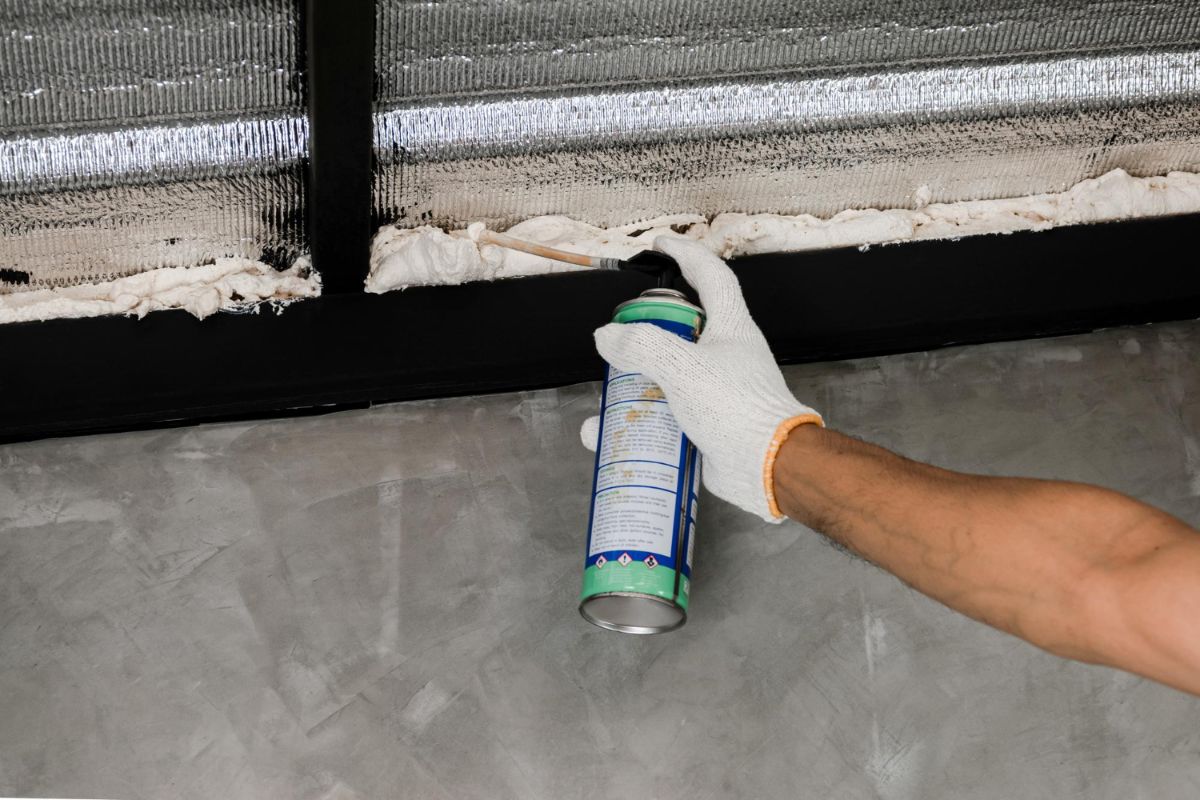
Roof structures move more than most people realize, especially with temperature swings between day and night. Even a slight shift can cause sealant to lose its grip along seams or joints. Instead of stretching with the material, it begins to separate at the edges.
That separation creates a narrow gap that grows with each movement cycle. Once the bond breaks, water has a direct path into the system. Loose edges may not look serious at first, but they often lead to leaks that spread beyond the original seam.
Small Gaps Form Where the Bead Was Not Laid Evenly
Application matters more than many expect, and uneven sealant beads can leave behind weak spots. Thin sections dry faster and lack the thickness needed to hold up under stress. Those areas often fail first because they cannot absorb movement or weather exposure.
Inconsistent coverage also means some parts never fully connect with the surface. Tiny voids form along the line, creating paths for moisture to sneak through. What looks like a continuous seal may actually contain several hidden breaks that only show up after damage begins.
Water Sneaks in When Edges Lose Their Tight Seal
Edges carry the most pressure since they sit where two surfaces meet. Once those edges lose their tight connection, water can slip in during heavy rain or even light, steady drizzle. The problem tends to spread because moisture works its way under the material.
As water moves beneath the surface, it weakens nearby sections and expands the damaged area. Interior leaks may not appear right away, making it harder to trace the source. By the time stains or drips show up, the entry point has often grown much larger.
Old Sealant Turns Brittle and Stops Flexing with the Roof
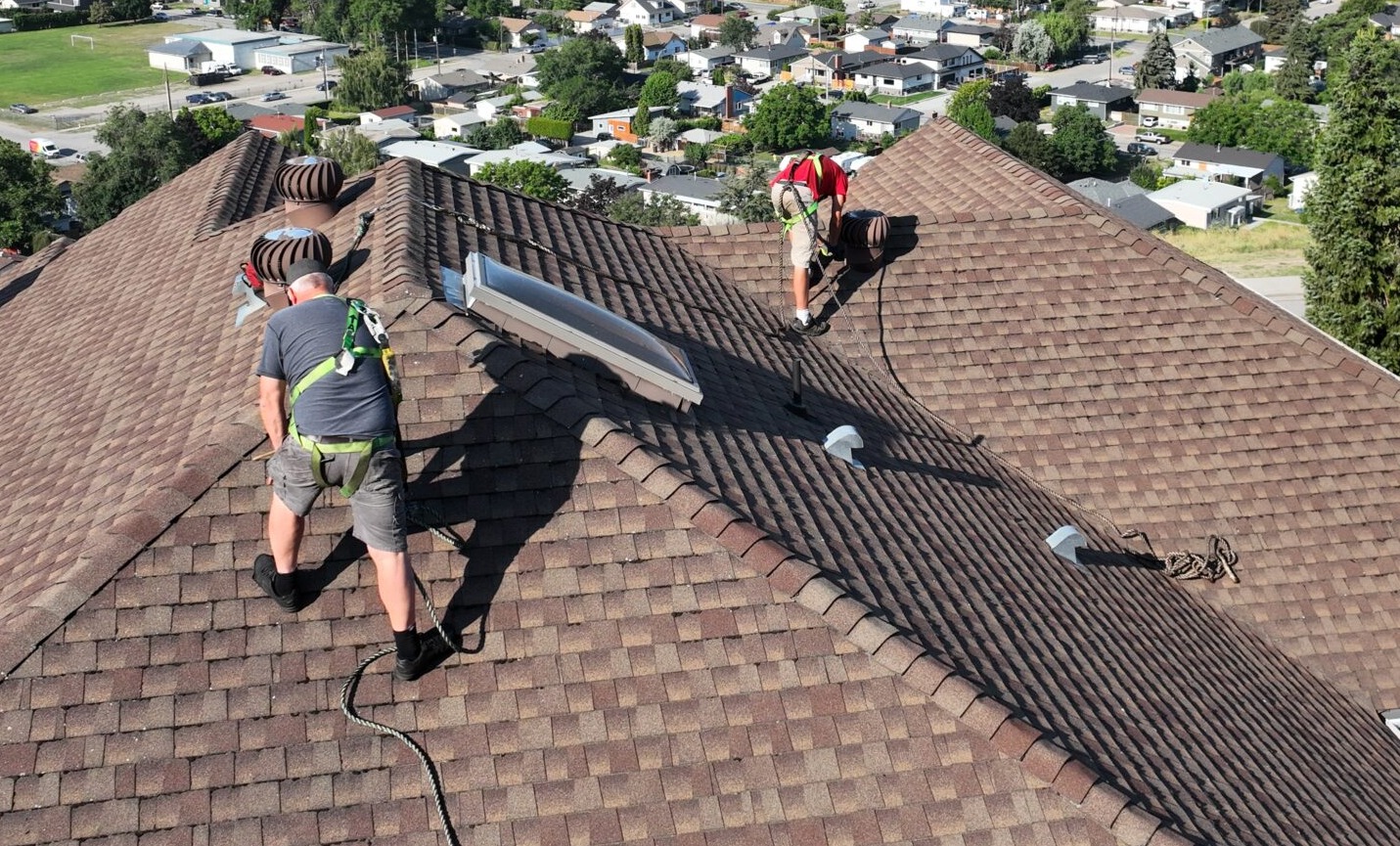
Aging changes how sealant behaves, especially after years of exposure to weather. Flexible material gradually hardens, losing its ability to move with the roof. Once that flexibility is gone, even minor shifts can cause it to snap or split.
Brittle sections tend to break suddenly rather than slowly wearing down. Cracks form without warning and can spread quickly across the surface. Older areas should be watched closely because they often fail faster than newer applications.
Thick Spots Cure Uneven and Break down Faster
Applying too much sealant in one area can create its own set of problems. Thick sections trap moisture inside, which slows down the curing process and leaves the inner layer weaker. The surface may look solid while the inside remains soft.
As time passes, that uneven curing leads to breakdown from within. The outer layer starts to crack while the inner portion fails to support it. These spots often deteriorate faster than thinner, properly applied sections.
Rain Hits Before Curing and Weakens the Bond
Freshly applied sealant needs time to settle and form a solid connection with the surface, and that process depends on stable, dry conditions. Sudden rain can interrupt this stage by washing over the material before it has a chance to fully set. Instead of forming a tight bond, the sealant may soften, spread unevenly, or lose contact with the surface altogether. Even light rainfall can create a thin layer of moisture that prevents proper adhesion, leaving behind sections that look complete but lack real strength underneath.
Delayed curing caused by early exposure to water often leads to long-term performance issues that are not immediately visible. Weak bonding points can slowly peel back as the roof expands and contracts, especially during temperature swings. Over time, those compromised areas become the first places where leaks develop, since the seal never fully locked into place. Surfaces affected by early rain exposure tend to fail sooner than expected, making timing just as important as the application itself.
UV Rays Slowly Wear the Seal Until It Breaks Down
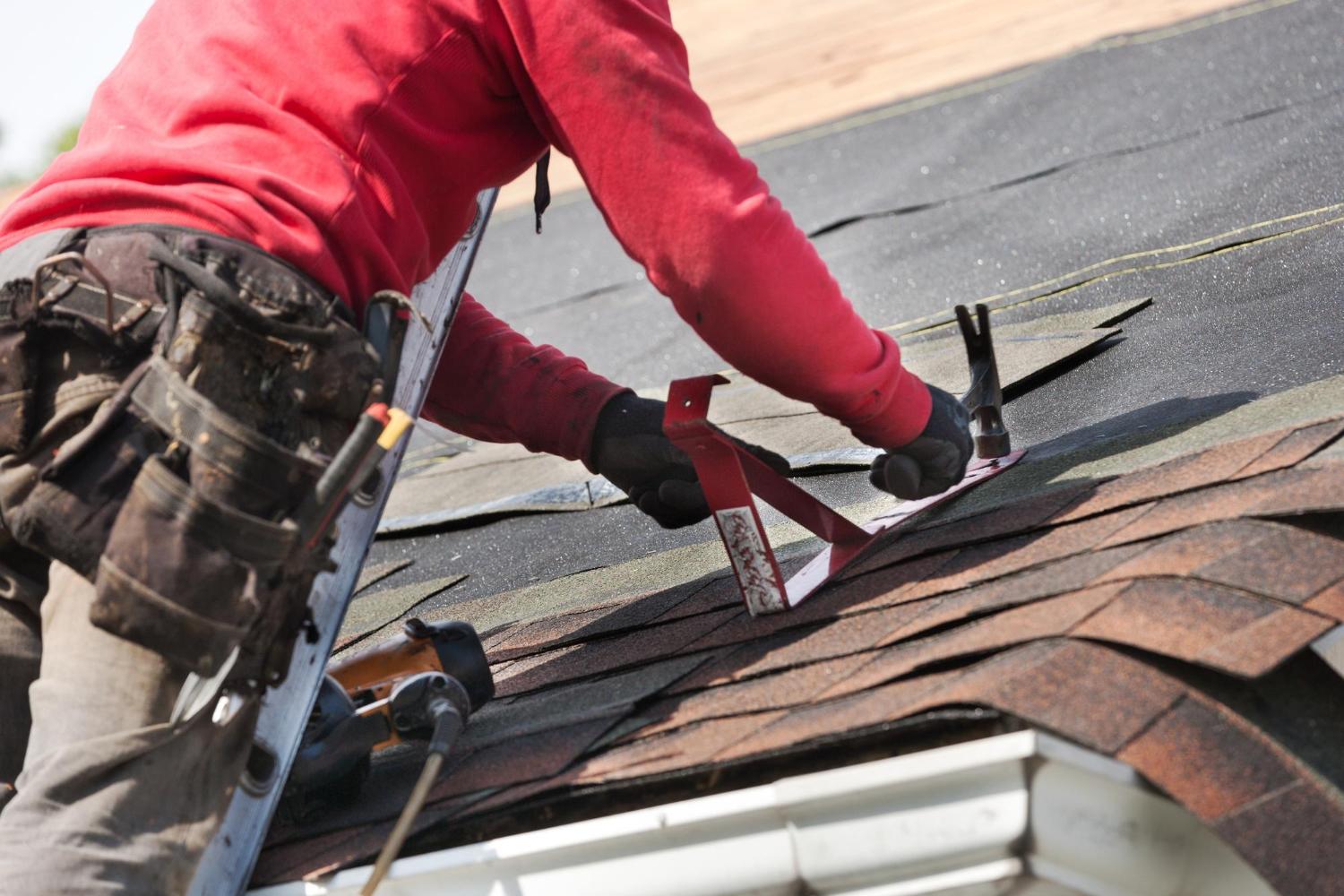
Constant exposure to sunlight slowly breaks down the chemical structure of sealant, even when the surface still looks intact. Ultraviolet rays attack the material at a microscopic level, causing it to lose its elasticity and strength over time. Colors begin to fade, surfaces turn dull, and a chalky residue may appear as the top layer starts to degrade.
Extended sun exposure continues to weaken the seal until it can no longer handle normal roof movement or weather conditions. Fine cracks develop first, then spread wider as the material loses its ability to stretch and rebound. Once that breakdown reaches deeper layers, the seal no longer protects against moisture, leaving the roof vulnerable to leaks and long-term damage.
Bring Back Lasting Protection with OK Roof Revival Before Minor Sealant Issues Lead to Costly Roof Damage
Small sealant problems often go unnoticed until they begin affecting the entire roof system. Hairline cracks, loose edges, and weak bonding points may seem minor at first, but they allow moisture to work its way underneath the surface. Over time, that trapped moisture can damage insulation, create interior leaks, and weaken structural components. Acting early not only prevents further deterioration but also extends the life of the roof as a whole.
OK Roof Revival focuses on correcting these issues with a deeper approach rather than quick surface patches. Our team carefully evaluates problem areas, reinforces vulnerable sections, and applies solutions built to handle heat, movement, and weather exposure. Property owners benefit from work that holds up over time, not temporary fixes that fail again after one season. Contact us today to protect your roof and keep small issues from turning into expensive repairs.