
Replacing a roof forces homeowners to make several expensive decisions at once, and the shingle choice can be one of the most confusing. Two options may look similar on a sample board yet perform very differently once they spend years under sun, wind, rain, and seasonal temperature swings. Understanding what separates architectural shingles from 3-tab shingles can make it much easier to compare price, appearance, durability, and long-term value.
Architectural vs. 3-Tab Shingles: Key Differences
The biggest difference starts with how each product is built. Traditional 3-tab shingles use a flatter, more uniform design with evenly spaced cutouts that create a simple repeating pattern across the roof. Architectural shingles use layered materials and varied shapes to create more depth. That added construction changes more than appearance; it also affects weight, strength, expected service life, and how the roof handles rough weather.
For homeowners comparing quotes, the decision usually comes down to priorities. A basic option may make sense when keeping the upfront project cost low matters most, especially on a rental, outbuilding, or property that may be sold soon. A dimensional product often suits homeowners who expect to stay longer and want a roof with more visual character and stronger overall performance.
How Shingle Construction Affects Strength and Lifespan
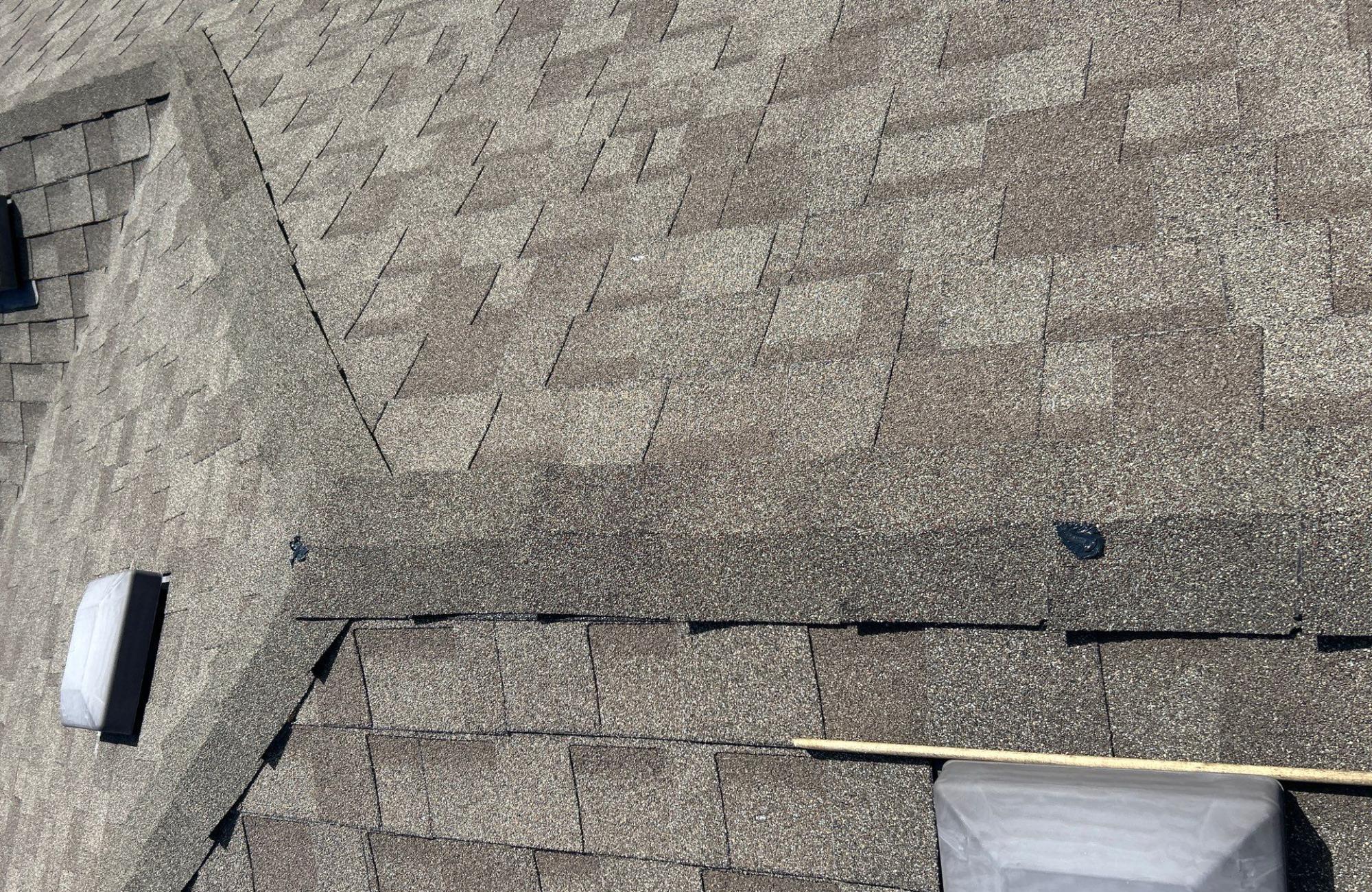
A thicker shingle generally has more material protecting the roof deck from the elements. The layered construction used in many dimensional products gives them added weight and rigidity, which can help them hold their shape through years of heat, cold, and changing weather. Their uneven surface also avoids the thin, flat profile commonly associated with older roofing styles.
That does not mean every premium-looking roof lasts the same amount of time. Product quality, attic ventilation, installation, storm exposure, and maintenance all influence longevity. Still, construction matters. A heavier shingle designed with multiple laminated layers will usually offer a longer expected service period than a lighter, single-layer product installed under the same conditions.
Cost Differences Between Architectural and 3-Tab Shingles
Price is where many homeowners begin their comparison. 3-tab shingles have traditionally been the lower-cost choice because they use less material and feature a simpler design. Architectural products typically cost more per square because of their heavier construction, dimensional appearance, and broader range of styles. On a large roof, even a modest difference in material price can change the total estimate noticeably.
The cheapest quote is not always the least expensive roof over time, though. Homeowners should compare the full scope of each proposal, including underlayment, flashing, ventilation work, tear-off charges, labor, warranties, and disposal. Spending more on the shingle itself may make sense if the roof provides a longer useful life or reduces the likelihood of earlier replacement.
Wind Ratings and Weather Resistance Compared
Wind can expose weaknesses quickly, especially along roof edges, ridges, and areas where shingles have not sealed correctly. Many architectural products are designed for higher wind performance than basic 3-tab options, although actual ratings vary by manufacturer, product line, fastening method, and installation requirements. That distinction matters in areas that regularly experience severe thunderstorms or strong seasonal winds.
Weather resistance also depends on the entire roofing system rather than the surface material alone. Proper nailing, starter strips, flashing, roof decking, and ventilation all play a part. A higher-performing product cannot compensate for poor workmanship. Homeowners should review both the product specifications and the contractor’s installation approach instead of choosing solely from a wind-rating number printed on a brochure.
How Each Shingle Type Changes Roof Appearance
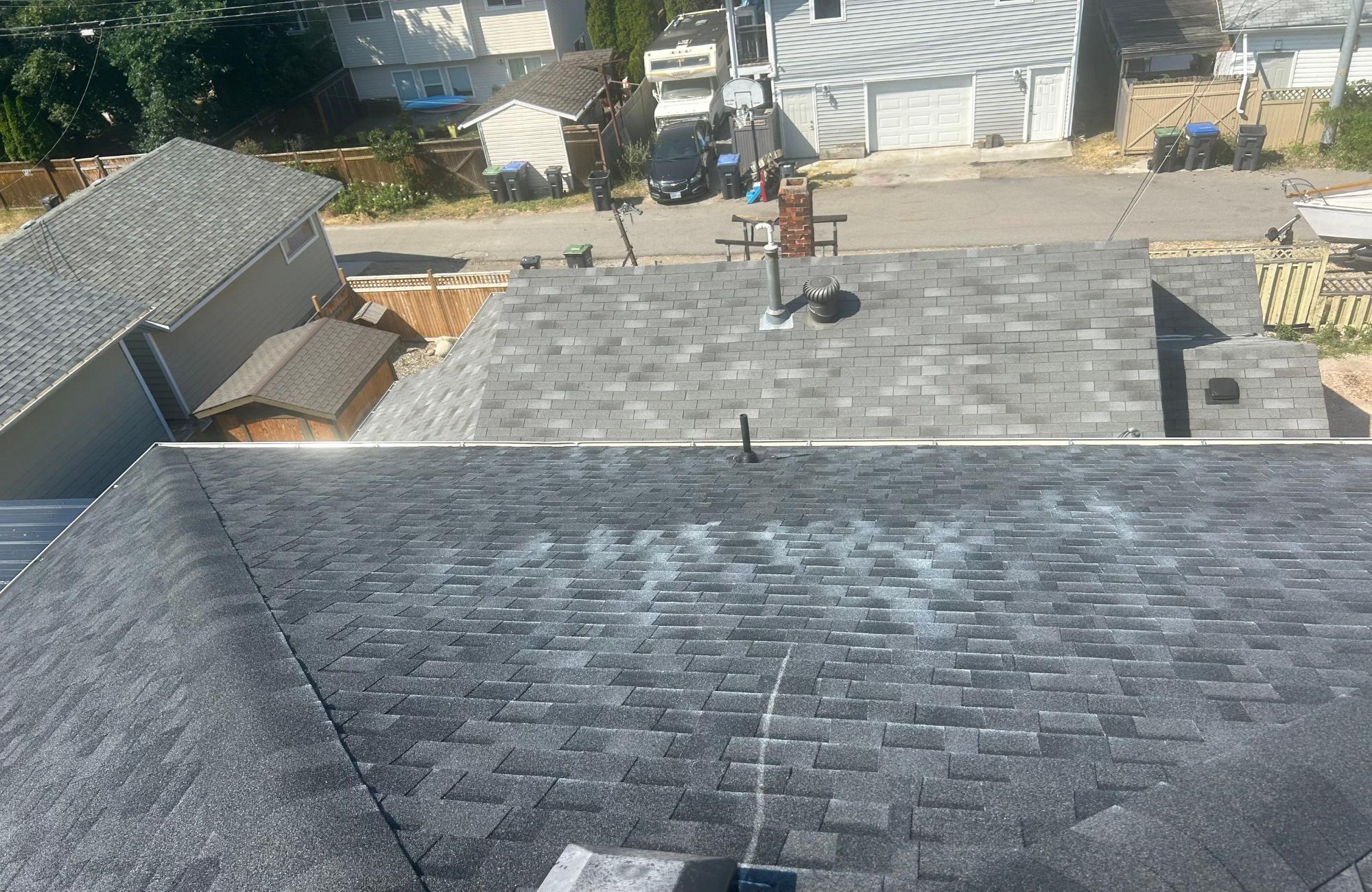
A roof covers a large portion of a home’s visible exterior, so its appearance can change the character of the entire property. A 3-tab roof creates straight, predictable lines and a flatter finish. That clean look can work well on simple homes, but it offers little shadow or texture. From the street, the pattern tends to look consistent across the whole surface.
Architectural shingles create more variation because their tabs differ in size, shape, and layering. That produces shadows that can make the roof look deeper and more substantial. Homeowners can also choose from a wider range of blended colors and profiles. For someone updating siding, windows, gutters, or exterior paint at the same time, the roof can become part of the overall design rather than a purely functional surface.
Installation, Repair, and Long-Term Maintenance Costs
Material price is only one part of roof ownership. Installation quality has a direct effect on repairs and maintenance later. While both shingle styles require careful fastening and correct placement, heavier products may involve slightly different handling and manufacturer requirements. An experienced roofing crew should follow the exact specifications for the selected system rather than relying on the same method for every roof.
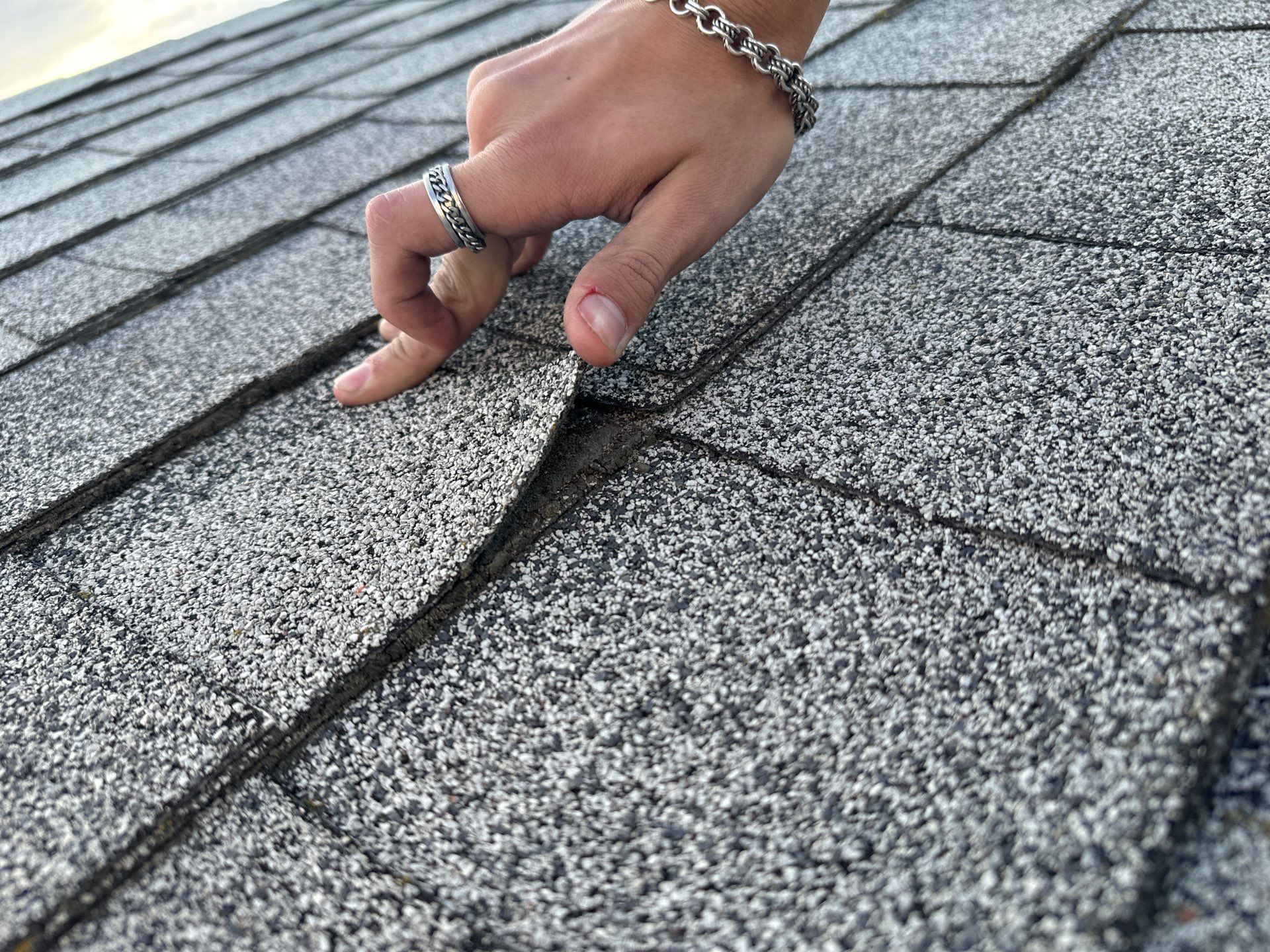
Repairs can also look different over time. Matching an older roof may become difficult if a specific color or product line has been discontinued, regardless of the original style. Storm damage, lifted edges, failed flashing, and ventilation problems can create expenses long before the surface reaches the end of its expected life. Good installation usually saves more money than cutting corners on the initial job.
Which Shingle Option Offers Better Replacement Value
Replacement value depends on how long the homeowner plans to keep the property and what they expect from the new roof. Someone working with a strict budget may prefer a straightforward 3-tab system when available and appropriate. It can provide practical coverage without paying for added dimension or upgraded performance features that may not be necessary for the property.
For many owner-occupied homes, however, architectural shingles often provide a stronger balance between price and long-term value. Their appearance can improve curb appeal, while the heavier construction may offer better durability depending on the chosen product. The smartest comparison looks beyond the invoice total and considers expected lifespan, warranty terms, local weather, resale plans, and how soon another replacement could become necessary.
Make Your Next Roof a Better Long-Term Investment With Guidance From OK Roof Revival
Choosing a new roof should not feel like guessing between two samples at a kitchen table. The right material depends on your budget, the shape and condition of your roof, local weather, how long you plan to own the home, and the level of performance you expect. OK Roof Revival can help homeowners compare realistic options without turning the decision into a confusing list of technical terms.
A thoughtful replacement starts with understanding what you are paying for and where the extra cost actually delivers value. Whether you are trying to keep the project affordable or want a more durable upgrade that complements your home, OK Roof Revival can help you weigh the choices and plan the work around your priorities. Contact us to discuss your roof and find the option that makes sense for your home and budget.