
From the curb, everything overhead may seem solid and secure. Hidden beneath that tidy appearance, however, could be rushed repairs, overlooked damage, and poor workmanship left by a previous contractor. Most property owners notice the trouble only when a storm exposes a leak, a ceiling stain appears, or repair costs suddenly climb. Spotting these mistakes early can protect your property and keep you from paying twice to fix the same problem.
Skipped Moss Removal Leading to Early Shingle Decay
Moss may look harmless, but it holds moisture against the roof surface for long periods. Some contractors replace damaged pieces without clearing the growth around them, leaving the real cause untouched. That trapped moisture slowly weakens the protective coating and causes the material underneath to soften, curl, or break apart sooner than expected.
The problem often spreads beyond the area where the moss first appeared. As the growth thickens, it can lift the edges and create small gaps where rainwater enters. A proper repair should include safe removal, a close inspection, and steps to reduce future buildup. Cutting corners may make the surface look cleaner for a while, but the decay continues underneath.
Botched Shingle Flashing Letting Moisture Seep Inside
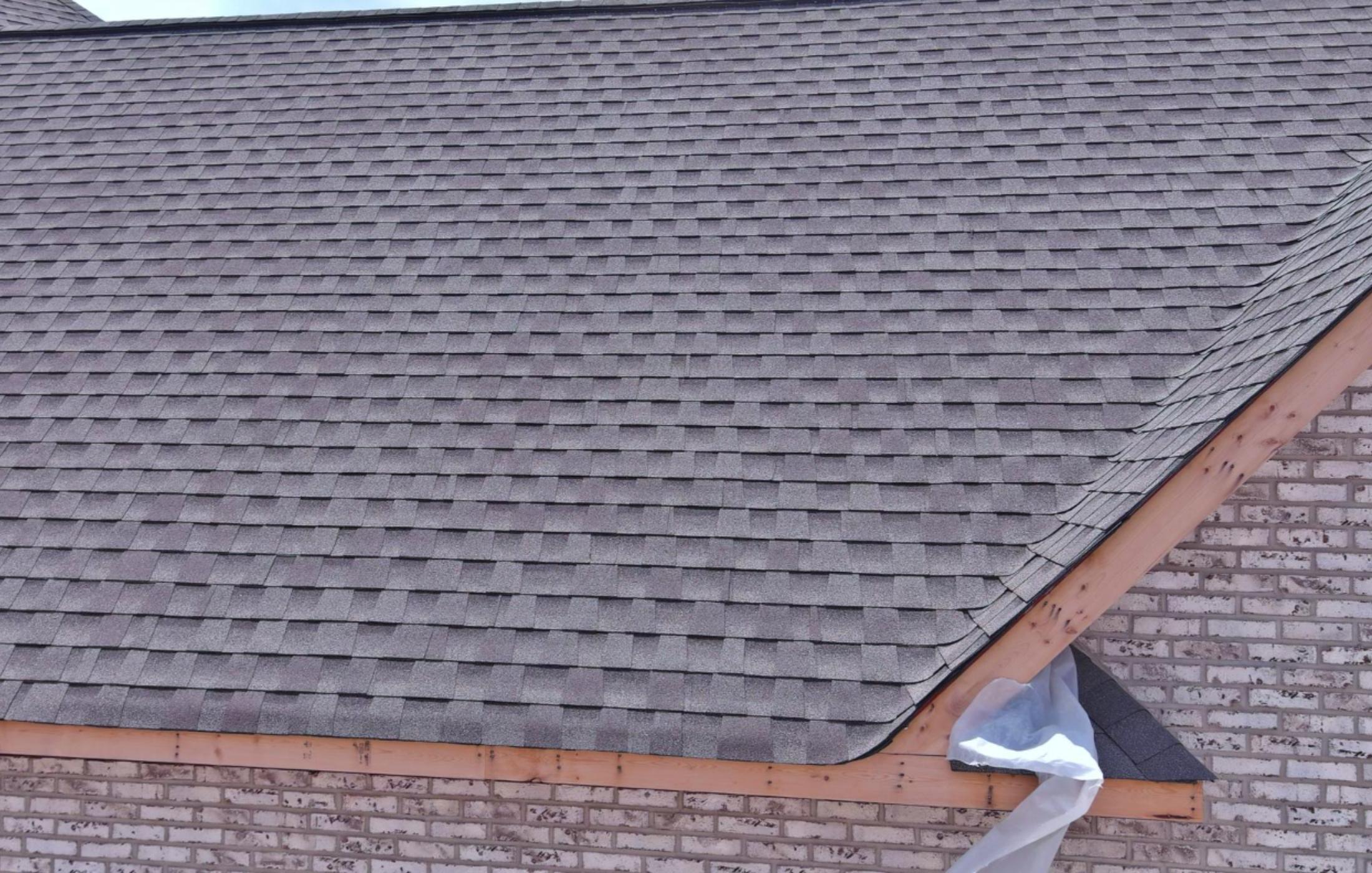
Flashing protects the most vulnerable parts of a roof, including chimneys, vents, skylights, and wall joints. When a contractor installs it at the wrong angle or relies too heavily on sealant, water can slip behind it. The leak may stay hidden inside the attic or wall cavity until stains, mold, or damaged insulation finally appear.
Good flashing work depends on careful placement, proper overlap, and durable materials. Caulk alone cannot replace correct installation because it dries, cracks, and separates over time. Homeowners may think the issue has been fixed after a quick surface patch, only to see the same leak return during the next stretch of heavy weather.
Ignored Minor Roof Leaks That Turned Into Major Rot
A small drip rarely stays small. Some contractors treat a faint ceiling mark as a cosmetic issue or apply a temporary seal without checking the surrounding area. Water may continue moving through the decking, rafters, and insulation, damaging parts of the home far from the original entry point.
Rot often develops slowly, which makes it easy to miss during a basic inspection. By the time the wood feels soft or starts sagging, the repair may involve more than replacing a few shingles. Early testing, attic checks, and moisture tracking can reveal the full path of the leak before it becomes a much larger structural problem.
Poor Shingle Nailing Causing Loose or Sliding Pieces
Nails must sit in the correct location and at the right depth. Some crews place them too high, drive them through the surface, or leave the heads raised. These mistakes weaken the hold and allow sections to shift, lift, or slide out of position during strong winds.
Loose pieces may not fall off right away. They can move just enough to expose the layer below and create a path for moisture. Over time, repeated wind pressure makes the damage worse. A skilled contractor checks the fastening pattern, spacing, and alignment instead of simply pushing the material back into place and calling the job finished.

Neglected Gutters Overflowing and Damaging Roof Edges
Gutters do more than collect rain. They direct water away from the roof edge, siding, foundation, and landscaping. When a contractor ignores clogs, poor slope, or loose sections, water can spill backward and soak the lower edge of the roof. This often damages the fascia, soffit, and wood beneath the outer row.
Overflow can also create ice buildup in colder weather or leave dark stains along the exterior. Simply cleaning out leaves may not solve the issue if the system sits too high, drains too slowly, or pulls away from the house. A full inspection should confirm that water moves freely and exits far enough from the building.
Low-Quality Patch Jobs Failing Under Heavy Rainstorms
Temporary patches often create a false sense of security. A previous contractor may have covered a crack with roofing cement, placed new material over a damaged section, or sealed the visible edge without removing the weakened layer underneath. These shortcuts may survive light showers, but heavy rain puts constant pressure on every seam, gap, and poorly sealed joint. Wind can drive water beneath the patch, especially when the repair does not match the surrounding material or follow the natural direction of drainage. Once moisture slips through, it may spread across the decking, soak insulation, and leave stains far from the original problem. By the time the leak becomes visible indoors, the small repair may have already caused wider damage.
Strong repairs require more than covering the spot where water appears. A reliable contractor should trace the leak to its true entry point, remove any damp or deteriorated material, and rebuild the area with products suited to the existing roof. Proper fastening, overlap, ventilation, and sealing all matter because each part must work together during severe weather. Cheap patchwork often cracks when temperatures change, lifts during high winds, or separates as materials expand at different rates. Homeowners and property managers should be cautious when the same area needs repeated attention. Frequent leaks usually mean the underlying issue was never corrected, and another surface patch will only delay a more expensive repair.
Overlooking Structural Shingle Wear Needing Restoration
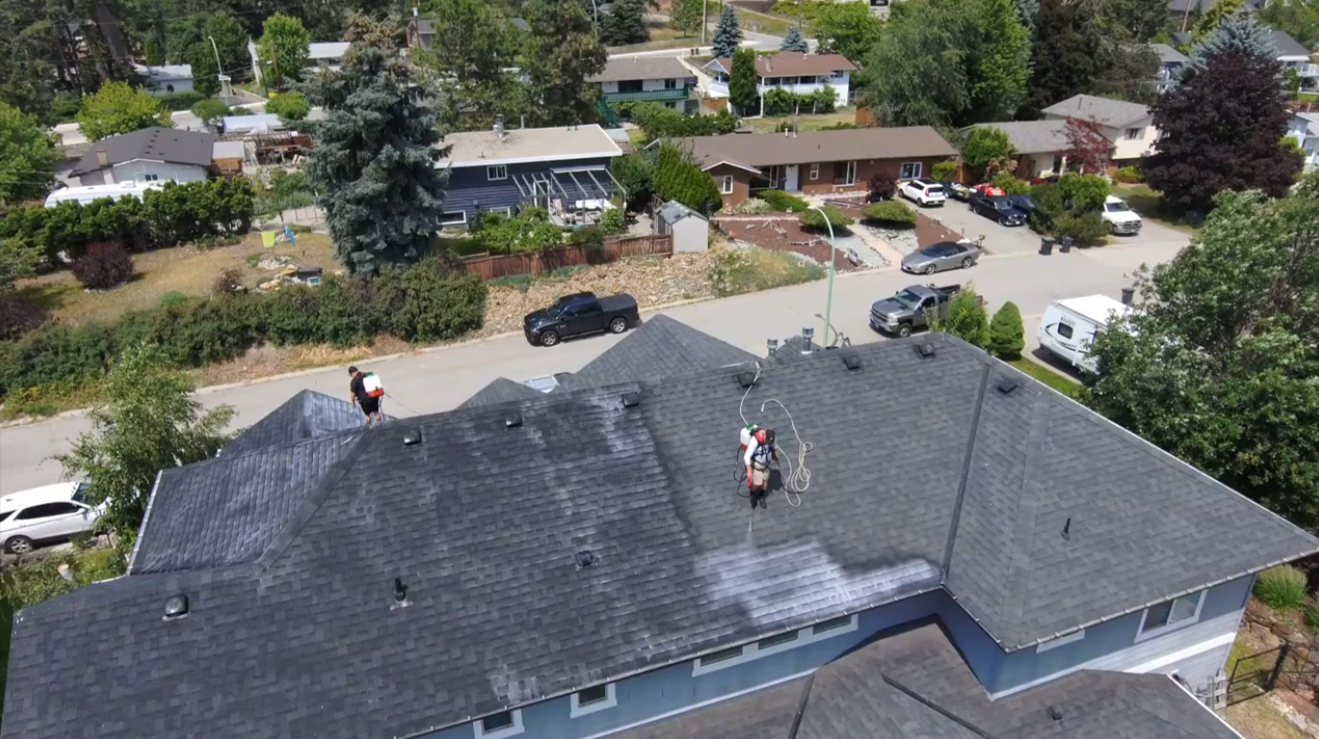
Surface wear can signal deeper trouble. Contractors sometimes replace only the most visible broken pieces while ignoring widespread granule loss, brittle edges, soft decking, or uneven support below. This approach may improve appearance without restoring the strength and weather resistance the roof needs.
Older systems require more than spot treatment when several areas show similar decline. A detailed assessment can reveal whether restoration, reinforcement, or broader replacement offers better value. Property owners should receive clear findings instead of vague advice. Knowing the actual condition makes it easier to plan repairs before another season adds more damage.
Protect Your Property From Old Roofing Mistakes With Trusted Help From OK Roof Revival
Poor workmanship from a previous contractor does not have to become a permanent problem. OK Roof Revival helps homeowners, landlords, and property managers uncover hidden issues, understand the condition of their roof, and choose repairs that make sense for the property. The team focuses on practical solutions rather than temporary coverups.
Do not wait for the next storm to expose a weak patch, loose section, or hidden leak. A careful inspection today can prevent expensive interior damage and help extend the life of your home or building. Contact us to schedule an assessment with OK Roof Revival and get clear answers about what your roof needs.