
Winter doesn’t knock politely. It settles in, piles up snow, freezes overnight, and tests every weak point above your head. Most roof problems start small and stay hidden until water makes its way inside. Catching the early warning signs can save you from major repairs when temperatures drop.
Shingles Start Curling at the Edges
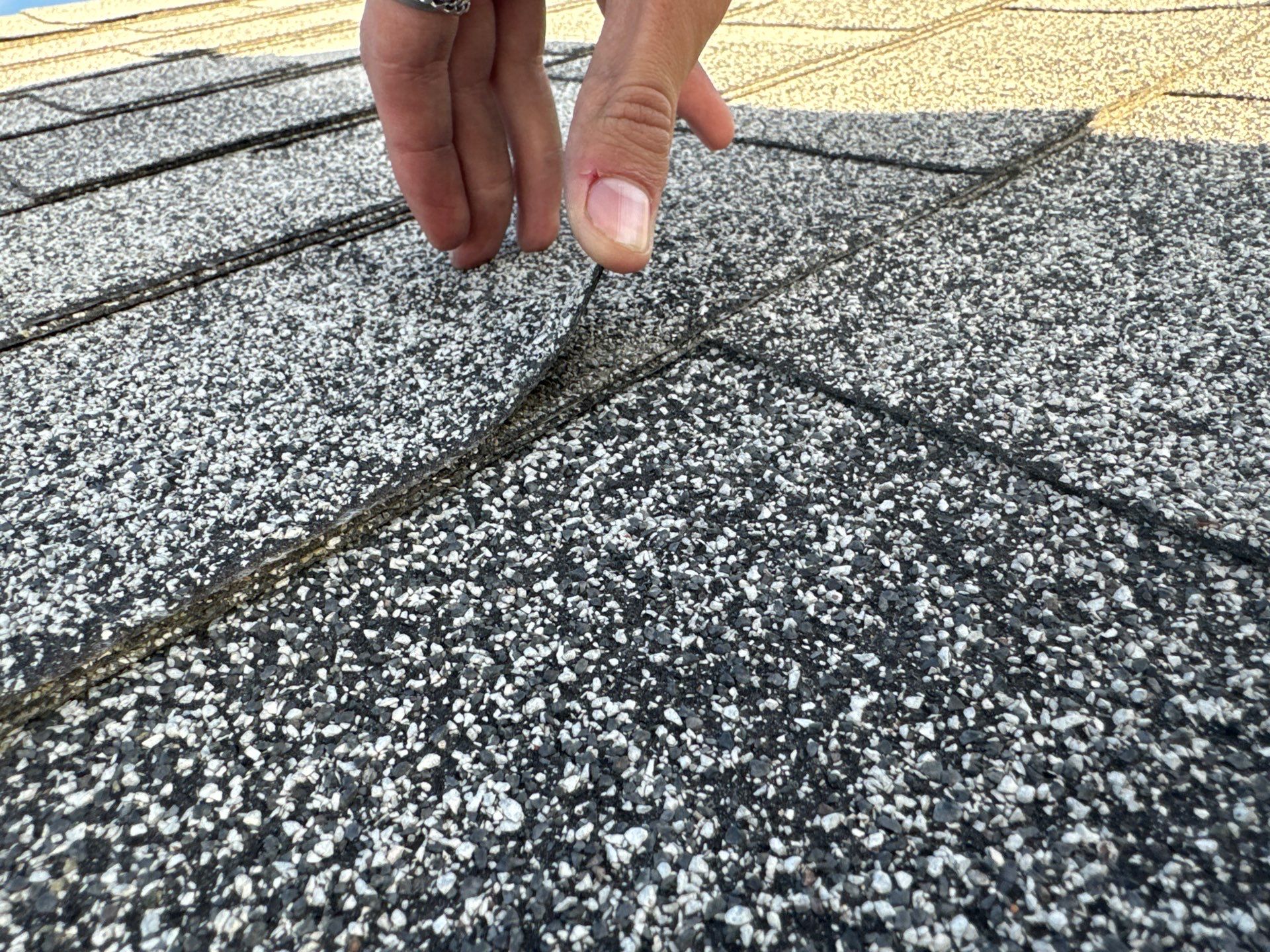
Curling shingles often show up after repeated freeze and thaw cycles. Cold air makes materials contract, while daytime warmth causes slight expansion. Over time, that constant movement lifts the edges. Once shingles curl, wind can slip underneath and loosen them further.
When edges lift, moisture finds an easy entry point. Snowmelt seeps beneath the surface and refreezes overnight. That trapped water weakens the structure below. If you notice uneven lines or warped sections from the ground, it’s time to act before the damage spreads deeper into the roof system.
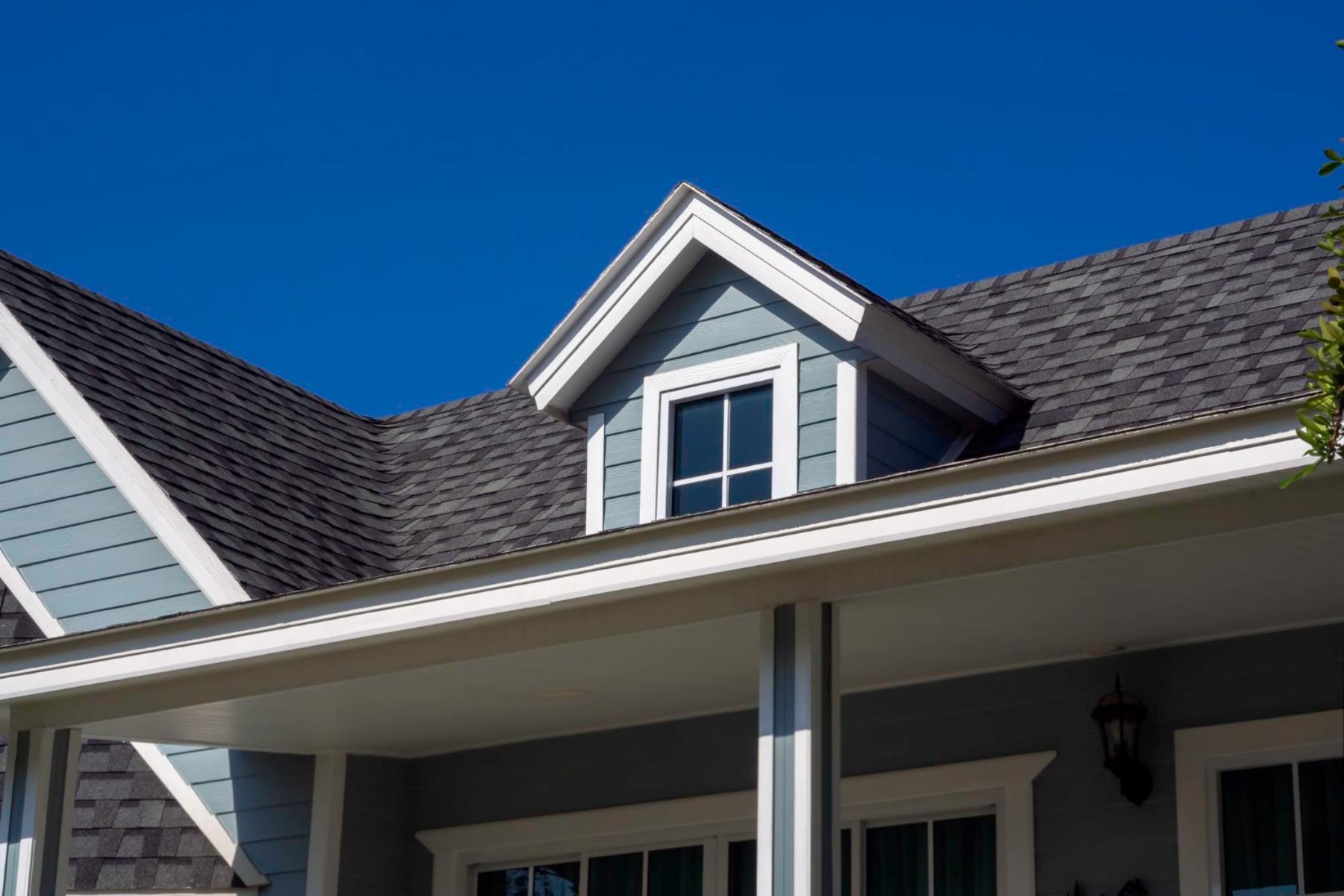
Dark Wet Spots Show up on Ceilings
A faint brown or yellow stain on your ceiling may look harmless at first. In winter, those spots often signal slow leaks caused by melting snow. Water travels along beams before dripping down, so the stain may appear far from the actual source.
These damp areas rarely dry on their own. Repeated exposure softens drywall and weakens insulation. You might also notice a musty smell forming in the room. Addressing small leaks quickly prevents mold growth and keeps interior repairs manageable.
Ice Dams Form Along the Roofline
Ice dams develop when heat escapes from your attic and melts snow unevenly. The melted water flows downward until it reaches the colder edge of the roof, where it refreezes. Over time, thick ridges of ice build up along the eaves.
That ridge blocks proper drainage. Water backs up under shingles and seeps into the structure. Homeowners often focus on removing visible ice but overlook the insulation or ventilation issues that caused it. Correcting airflow inside your attic reduces the chance of repeat problems next season.
Granules Collect in Your Gutters
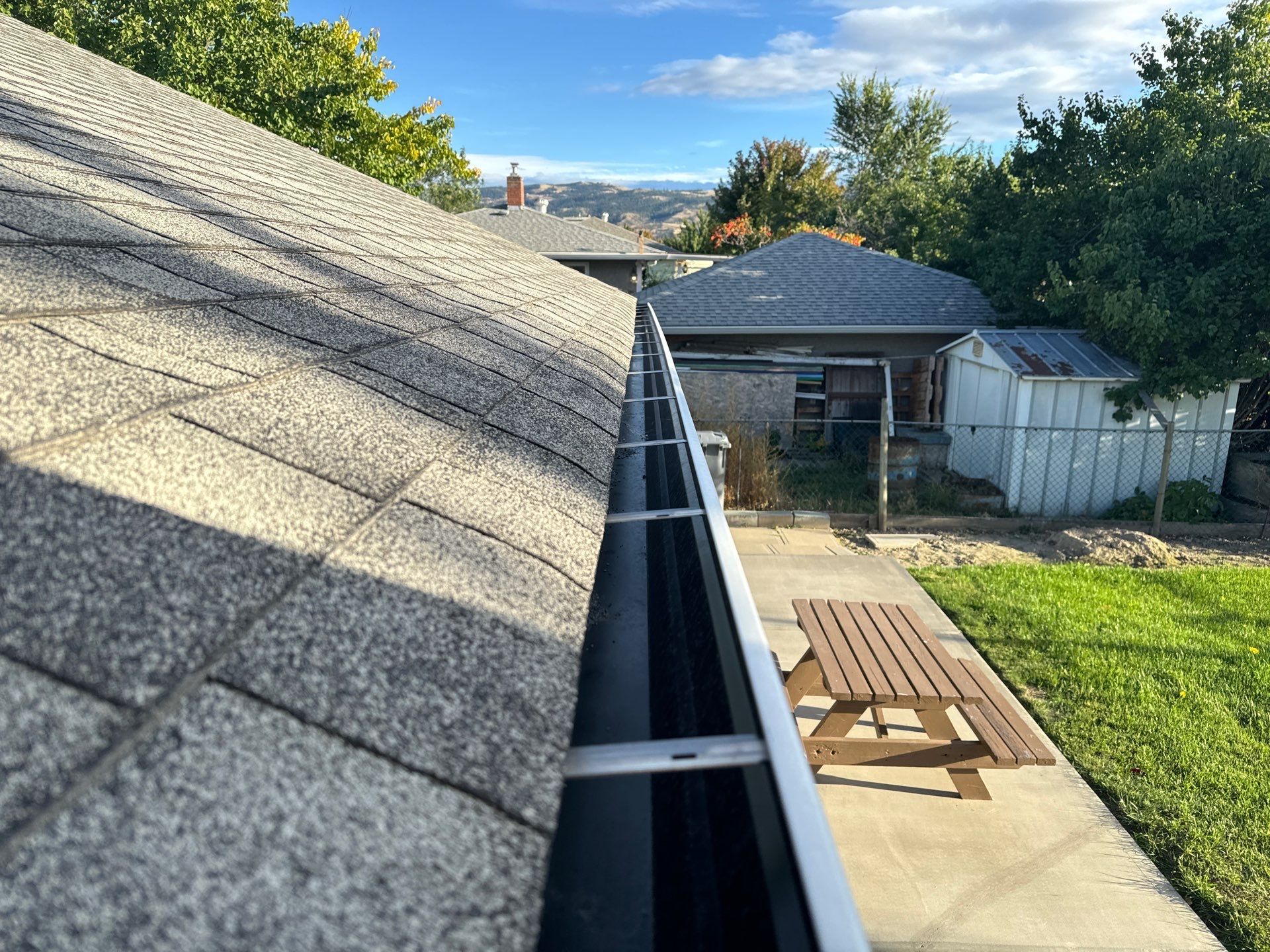
Asphalt shingles contain protective granules that shield them from harsh weather. During winter, heavy snow and ice scrape those particles loose. If you find gritty sediment collecting in your gutters, your shingles may be wearing down.
Without that protective layer, shingles lose their resistance to UV rays and moisture. The surface becomes more vulnerable to cracking and leaks. Checking gutters after a storm gives you a simple way to spot early deterioration before visible gaps appear.
Flashing Pulls Loose Around Vents
Flashing seals the joints where vents, chimneys, and skylights meet the roof. Cold temperatures and strong winds can loosen these thin metal pieces. Once flashing shifts, small gaps open around high-risk areas.
Even a tiny separation allows water to sneak inside. Because flashing sits near roof penetrations, leaks here can travel quickly into the attic. Regular inspections after storms help you catch lifted edges before they create interior damage.
Drips Appear During a Thaw
You may not notice a leak during freezing weather. Problems often show up when temperatures rise. As snow melts, water flows into cracks and weak spots that remained hidden during colder days.
If you hear dripping or see water pooling during a thaw, don’t ignore it. The freeze-thaw cycle expands existing damage. What seems minor in January can turn into structural decay by early spring. Quick repairs protect both your roof and interior spaces.
Sagging Spots Along Roof Sections
A sagging roofline signals deeper structural stress. Heavy snow accumulation adds weight that strains rafters and decking. If sections begin to dip or look uneven, underlying materials may be compromised.
Sagging can also result from prolonged moisture exposure. Water weakens wood framing and reduces its ability to support loads. This issue requires immediate professional evaluation. Delaying action increases the risk of more extensive structural repairs.
Protect Your Home This Winter with Expert Care from OK Roof Revival That Extends Roof Life and Prevents Costly Repairs
Winter damage rarely fixes itself. Small warning signs grow quickly under snow and ice. OK Roof Revival specializes in identifying early issues and restoring aging roofs before replacement becomes necessary. Our team uses proven rejuvenation treatments to strengthen shingles, improve flexibility, and extend performance through harsh seasons.
Your home deserves reliable protection when temperatures drop. OK Roof Revival delivers thorough inspections, honest assessments, and targeted solutions designed to preserve your roof’s integrity. Don’t wait for leaks to spread. Contact us today and let OK Roof Revival help safeguard your home against winter’s toughest conditions.
Frequently Asked Questions:
1. What Types of Roof Damage Does Ok Roof Revival Handle?
OK Roof Revival addresses a wide range of roof problems through targeted repair and rejuvenation services designed to extend the life of your existing system. Our team specializes in stopping active leaks, restoring aging shingles that have dried out or become brittle, and treating granule loss that leaves surfaces exposed to the elements. We also respond to storm damage, including lifted shingles, wind-related wear, and impact concerns caused by debris.
Beyond visible damage, OK Roof Revival handles biological growth such as moss and algae, repairs surface fissures before they widen, and performs structural corrections when underlying sections show weakness. Our approach focuses on restoring strength and flexibility while preventing small issues from turning into costly replacements.
2. How Do I Know If My Roof Needs Repair or Full Replacement?
A professional inspection is the best way to determine the right solution. OK Roof Revival evaluates shingle condition, structural integrity, moisture intrusion, and overall wear. In many cases, rejuvenation treatments and targeted repairs can restore performance without the high cost of replacement.
3. What Is Roof Rejuvenation and How Does It Help?
Roof rejuvenation is a treatment process designed to restore flexibility and durability to aging shingles. OK Roof Revival applies specialized products that help extend roof life, improve resistance to harsh weather, and delay the need for full replacement.
4. How Quickly Should I Address Winter Roof Damage?
You should act as soon as you notice warning signs like leaks, sagging areas, or missing shingles. Delaying repairs can allow moisture to spread and increase structural damage. OK Roof Revival provides timely inspections to prevent small issues from becoming major problems.
5. Does Ok Roof Revival Provide Inspections Before Starting Work?
Yes. The company performs detailed roof assessments before recommending any service. This ensures homeowners understand the condition of their roof and receive honest guidance on repair, restoration, or maintenance options.